19:04
19:04 20:11
20:11 SUKKOT, primo giorno - Lev. 22-26/23-44, Num. 29-12/29-16


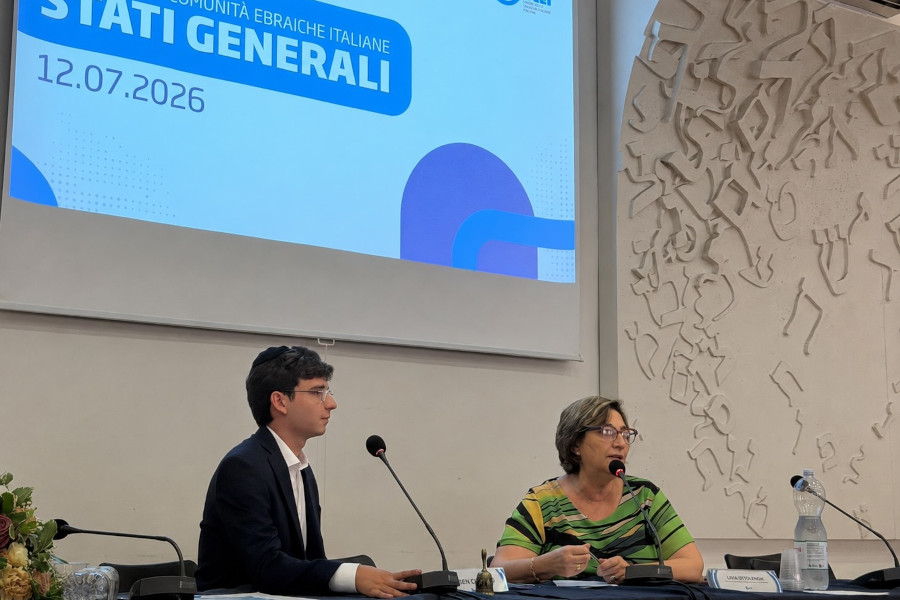
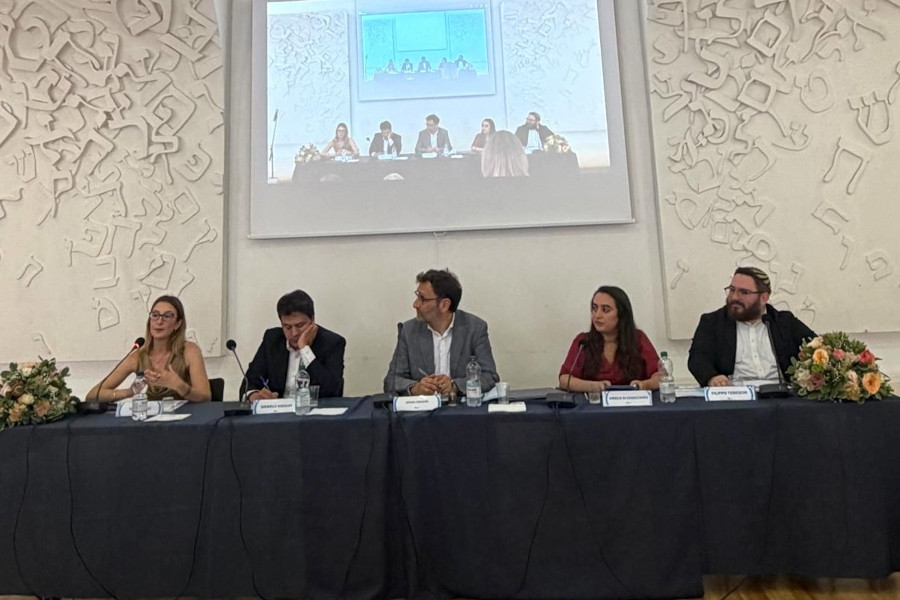
The General Assembly of Judaism, aimed at defining the priorities of Italian Judaism for the coming years, took place in Rome on July 12th.
The program itself clearly shows that a choice has been made: the priority is our young people, our kids. Kids who, currently, are struggling greatly in universities and high schools; kids who need a network to feel stronger; kids who need training and exchange, which are difficult in normal times and even more difficult in times of rising anti-Semitism.
The president of the UCEI, in an interview with Pagine Ebraiche, explains that young people were put at the center because «October 7 represented a watershed that upset the certainties of the Jewish community, making it necessary to start again from one’s roots and strengthen awareness of Jewish identity, especially among young people, so that they are protagonists of their own story. In a context marked by the return of anti-Semitism and a growing delegitimization of Judaism and Israel, public debate is often dominated by prejudices, simplifications and ideological tests that limit comparison.”
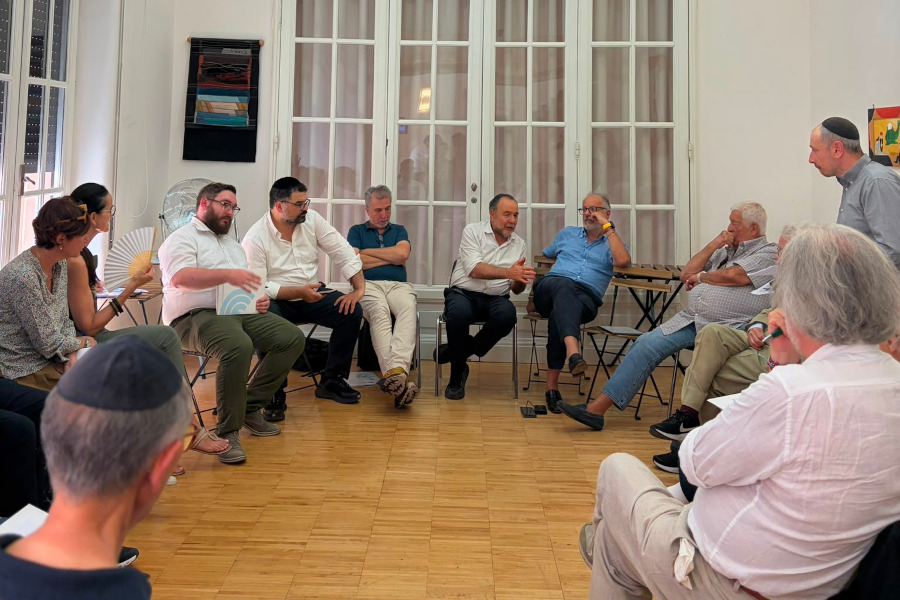
Identity, people, voice, impact, and future: these are the five themes that shaped the second part of Sunday’s General Assembly in Rome. Five roundtables, again with representatives from the UCEI and Jewish associations, were called separately to discuss and develop proposals, which were then presented and discussed by the entire General Assembly in the late afternoon.
Regarding the Identity roundtable, which I attended and which was coordinated by Rabbi Ariel Di Porto, we sought to give concrete expression to the recovery of a collective identity. Language, social activities, training, and opportunities for encounter can form a shared project capable of strengthening identities and relationships. Communities, especially the smallest ones, must not feel isolated. The UCEI can act as a bridge and a coordinator, offering guidelines, shared tools, and a national platform, without imposing models, but rather encouraging the exchange of experiences and best practices. Exchange between communities is essential to strengthening the network: the Union can facilitate dialogue, connect territories, and support those with fewer resources by disseminating proven projects.
Alongside local activities, one or two annual national meetings for children and parents could be organized, serving both educational and community purposes, to ensure continuity.
The proposal is based on complementarity between the levels: the UCEI provides a framework and tools, while the Communities provide their knowledge of the local areas and their needs. This is essentially the proposal that emerged from the discussion and was presented in plenary, and it seems to me an idea that the Turin Community could also support.
The other roundtables discussed rabbinic training, leadership training for Jewish communities, significant information challenges and, therefore, the need to address them through targeted meetings for professional categories; the impact of the post-October 7th crisis on community members; and the phenomenon of neo-Marranism, i.e., the tendency to hide and not reveal one’s identity out of fear.
In short, there are many ideas, and I believe that, through teamwork between the micro and macro levels, we can succeed, certainly not in resolving the gloomy climate, but at least in equipping ourselves with personal and collective tools and resources that, I hope, will help us face everyday life with less loneliness.
As Livia Ottolenghi summed it up, answering a question from the very young journalist Ruben Caivano, who asked what the key word for the Estates General would be: self-esteem.
Sara Levi Sacerdotti