16:45
 17:53
 Toledot - Gen. 25-19/28-9


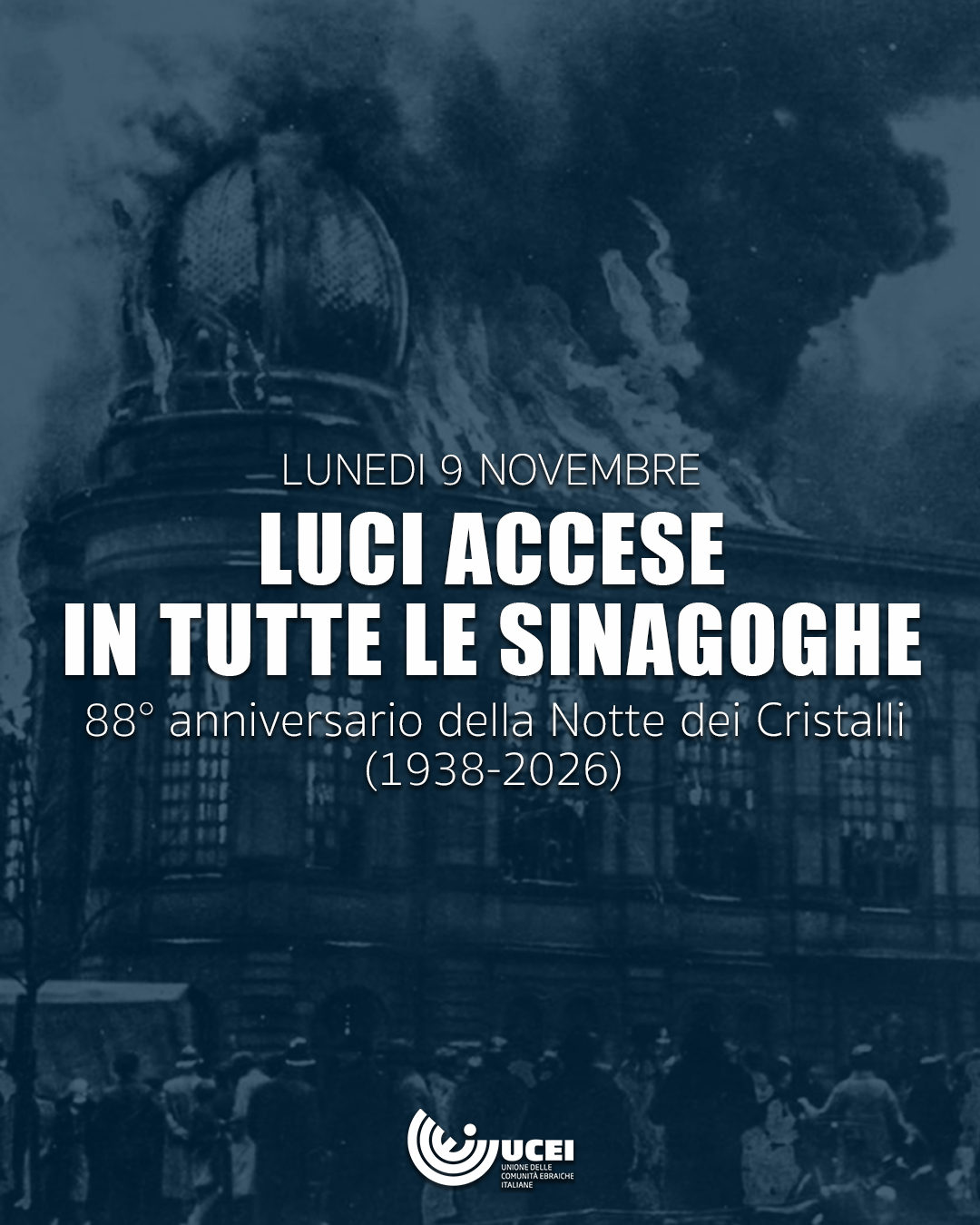
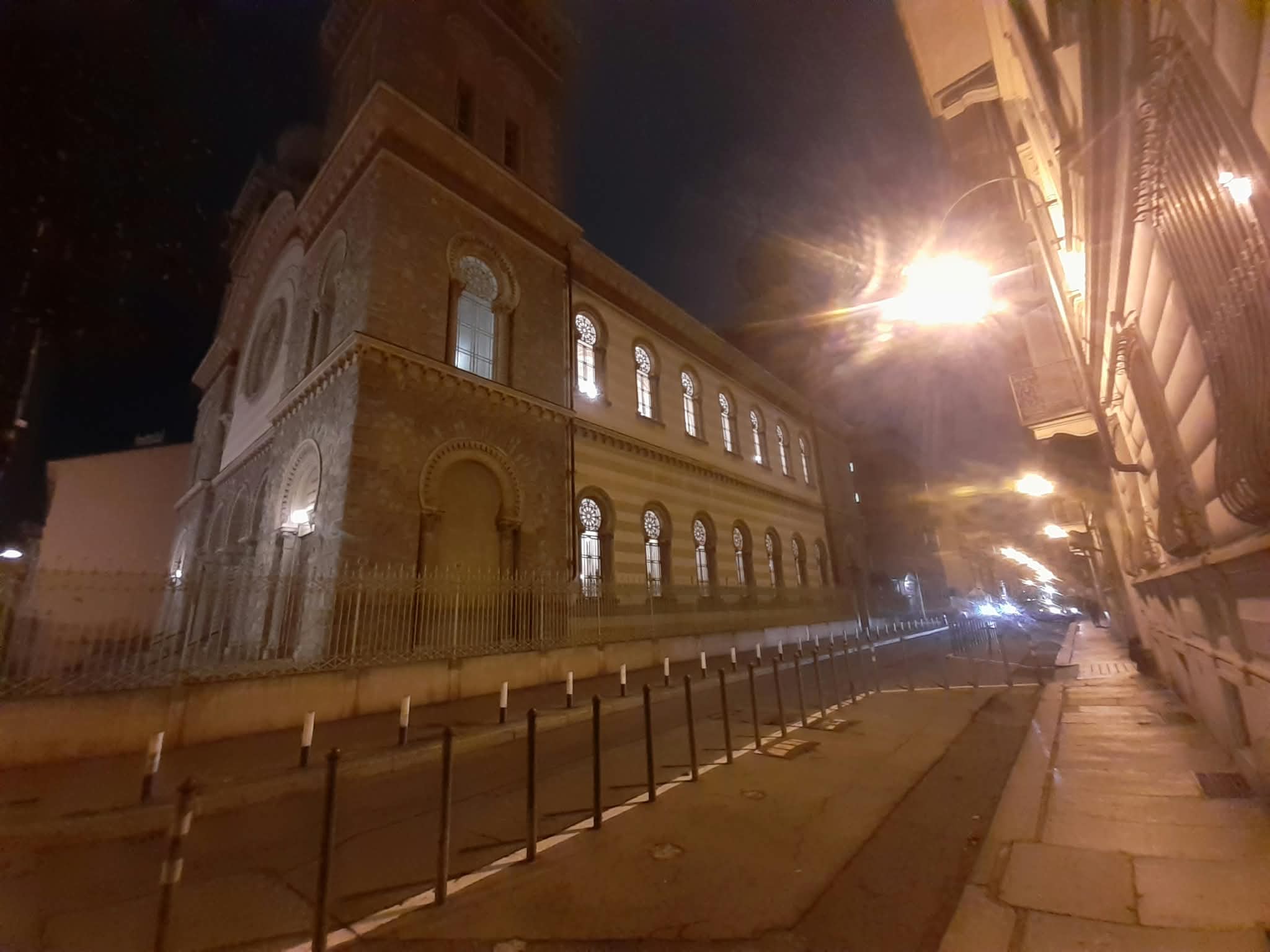
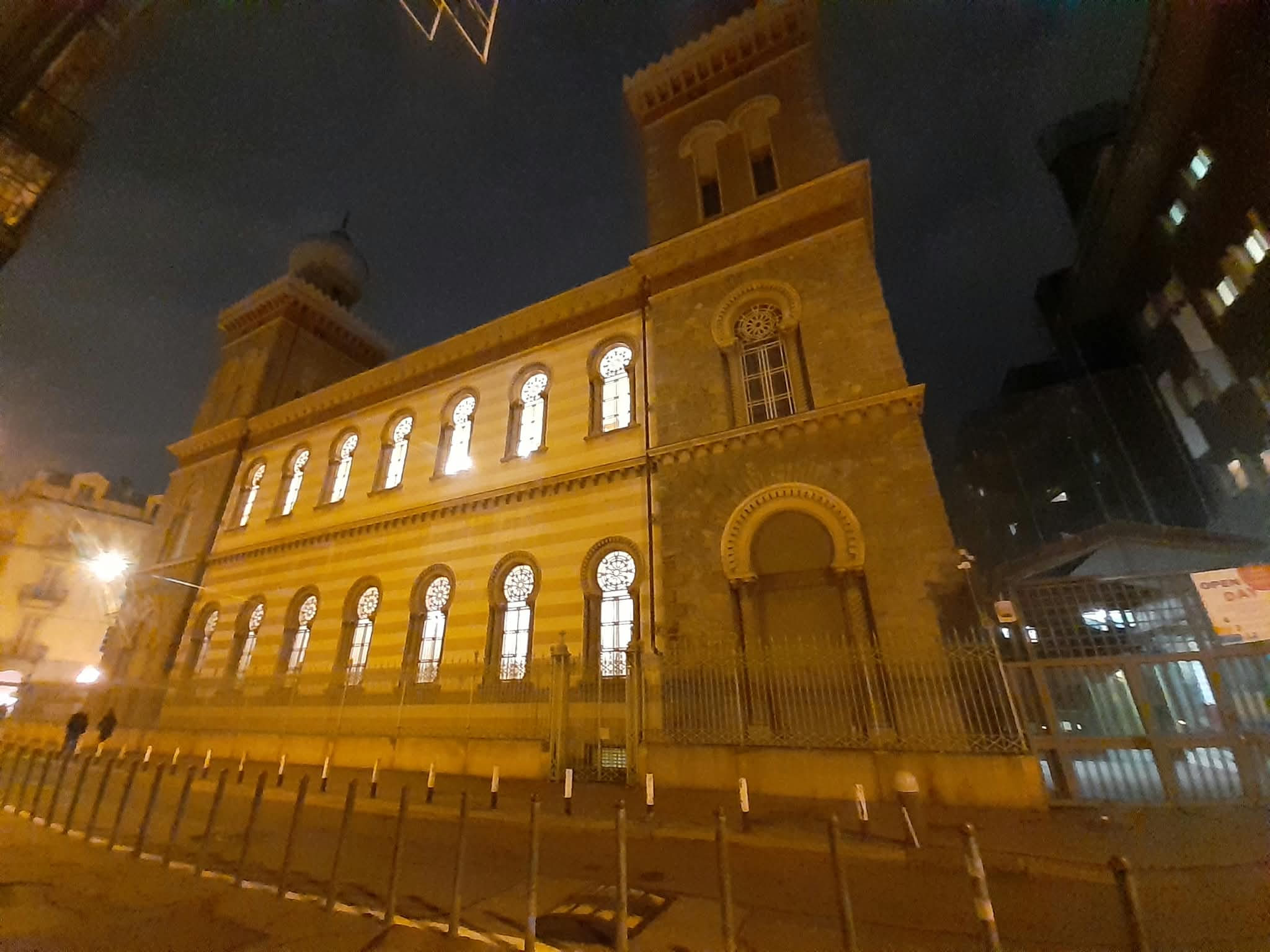
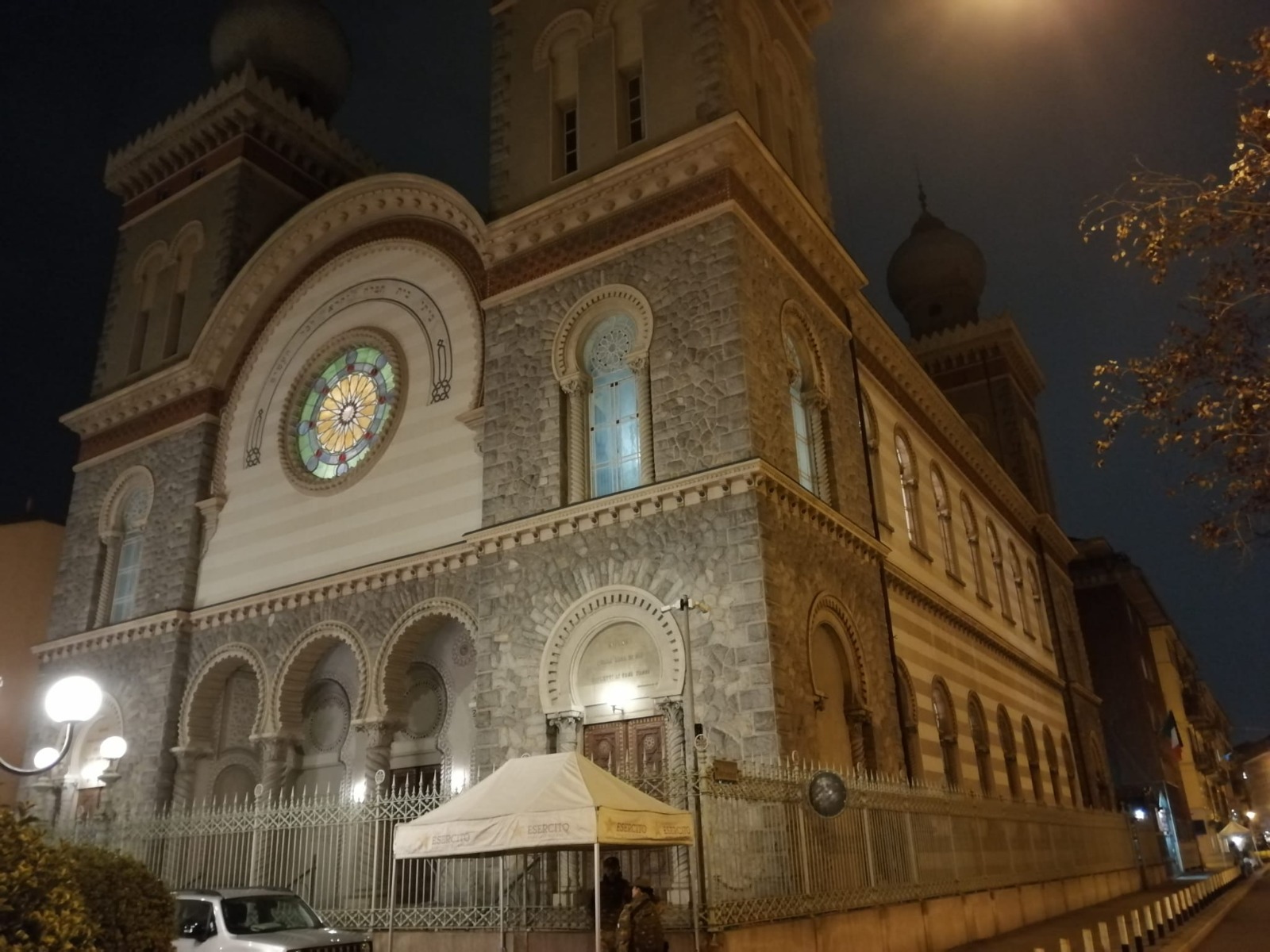
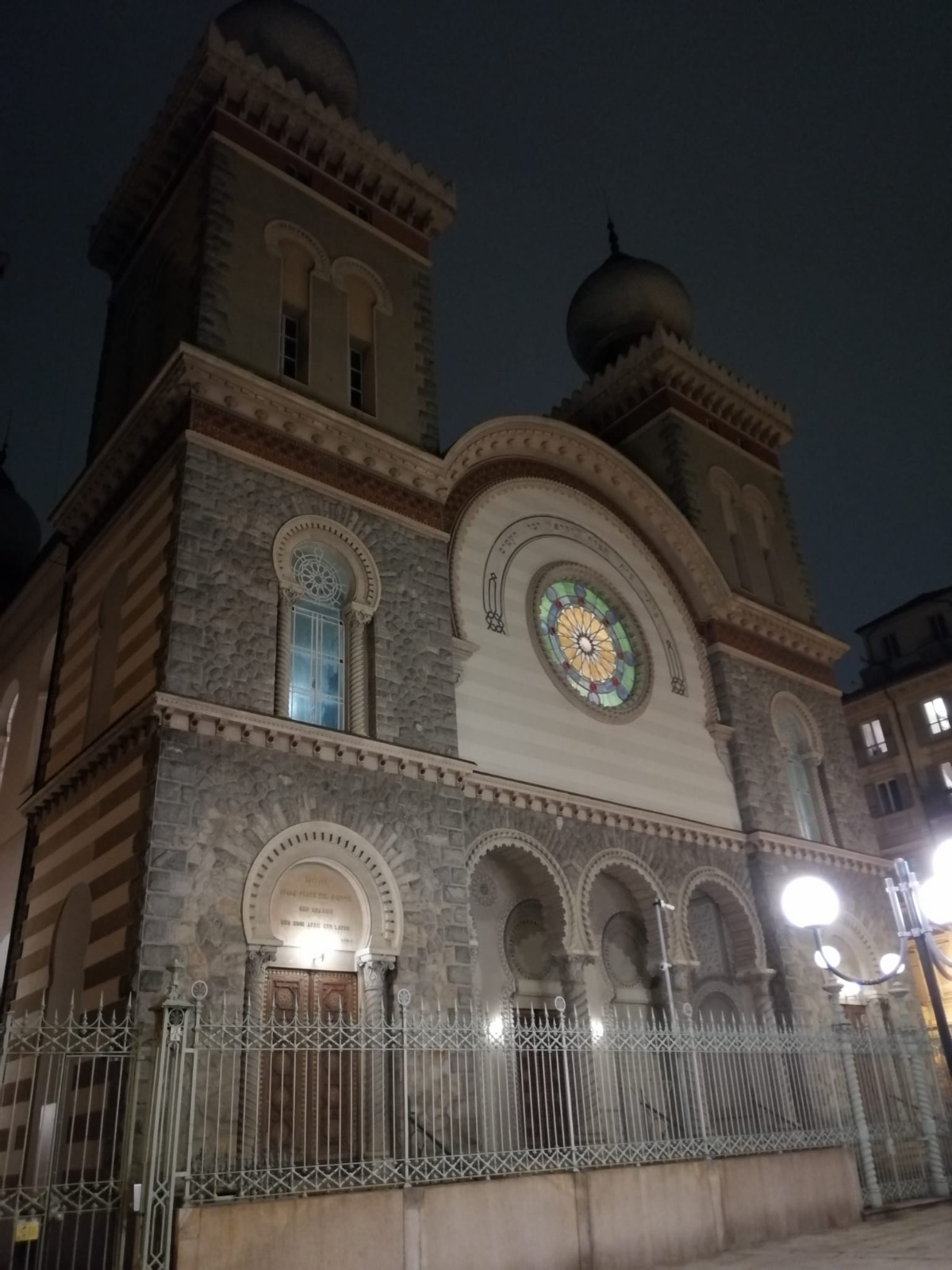
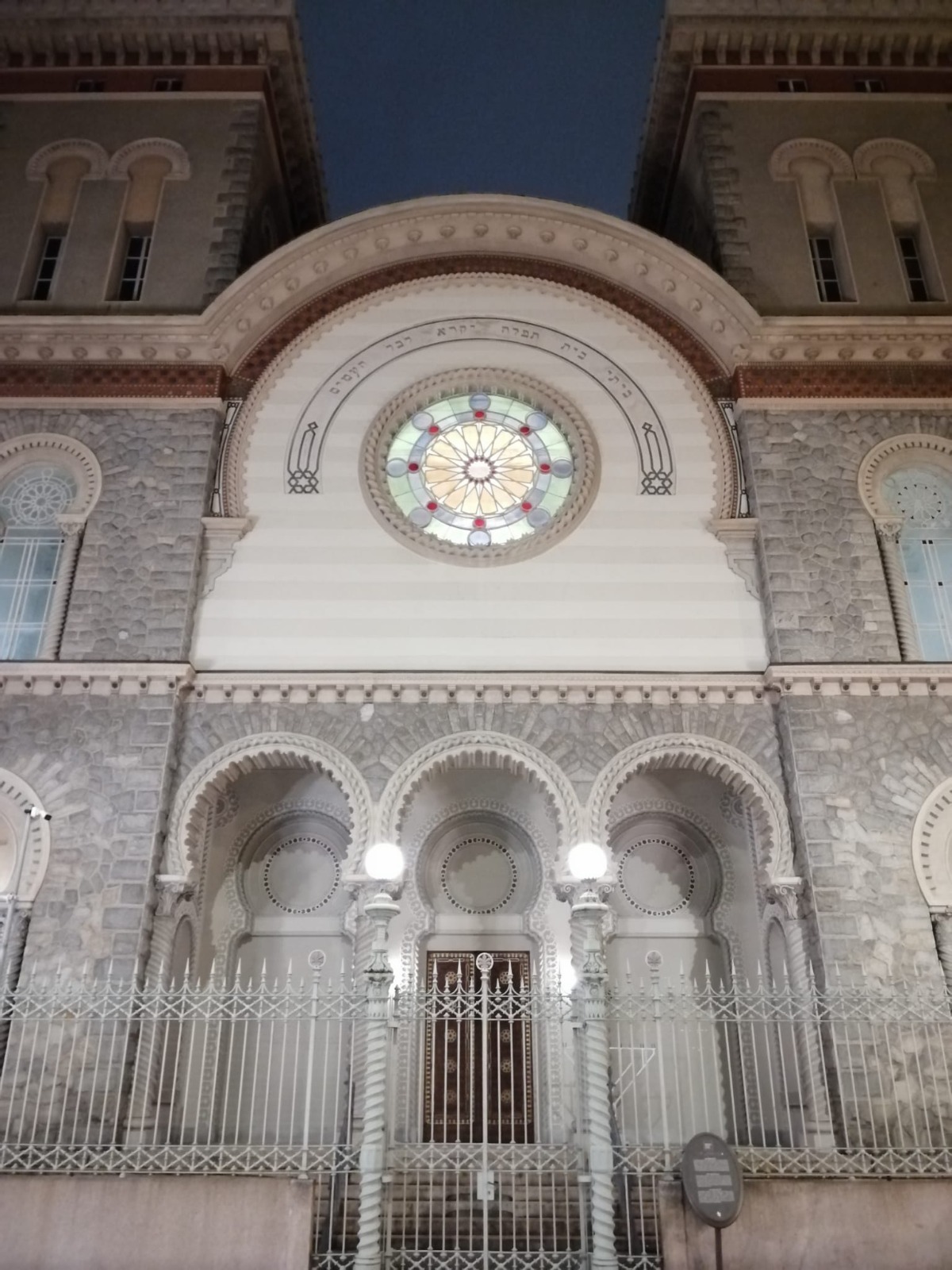
Tonight, the lights of our “great temple”—the only synagogue in Turin visible from the street—remained illuminated in memory of *Kristallnacht* (the Night of Broken Glass). During this event in 1938, synagogues, homes, and shops owned by Jews were set ablaze across Germany, Austria, and Nazi-occupied territories. This form of active remembrance has been practiced throughout Europe for several years now. These lights—more subtle yet more enduring than the flames of 88 years ago—shine to highlight the Jewish presence, standing in stark contrast to the fires once lit to extinguish it. They serve as a testament to the synagogues that remain vibrant and present in our cities today, countering the hundreds of synagogues that were destroyed on that night.
To suggest that the task of remembering the Shoah falls solely to the Jews is, upon closer inspection, neither fair nor desirable; it ought to be a commitment shared by society as a whole. Yet, society has not always recognized this responsibility. In Italy, for many decades, the memory of the Shoah received little attention and held little place in the public sphere or in private life: no one asked those who had been forced to flee or go into hiding to recount their experiences, nor did anyone ask children or grandchildren how their parents or grandparents had managed to survive. Then, toward the end of the last millennium, things changed—largely thanks to the establishment of Holocaust Remembrance Day. The situation shifted from oblivion to the opposite extreme: weeks, if not entire months, filled with television broadcasts, films, performances, concerts, lectures, and ceremonies. This excess had nothing to do with the Jews themselves, yet it was often pinned on them as a fault, within a climate that was not always sympathetic. In recent years, we have increasingly witnessed the trivialization of the Shoah and inappropriate comparisons, alongside a rapid and unsettling decline in attention toward its memory—coupled with a growing lack of interest or willingness to discuss it, especially in schools. Is this merely a passing phase, or will the Shoah once again become a memory almost exclusively held by the Jewish people, relegated to little more than a few lines in history textbooks? It is difficult to say.
The decision to illuminate synagogues, however, should not necessarily be interpreted as a reaction to this fading of memory; it is not necessarily a sign that a minority must take it upon itself to ensure that things—which seem to interest the majority less and less—are remembered. It is also a way of declaring that we are still here, that we are alive and present with our culture and our identity, and that those who sought to erase Jews and Judaism from Europe have failed. Only we can affirm that we are still here, despite everything; if others were to do so, it would certainly not be a good sign. Therefore, let the synagogues be illuminated on the night between November 9th and 10th—even as we look toward the upcoming January 27th with concern.
Anna Segre