16:33
 17:41
 Wayshlach - Gen. 32-4/36-43



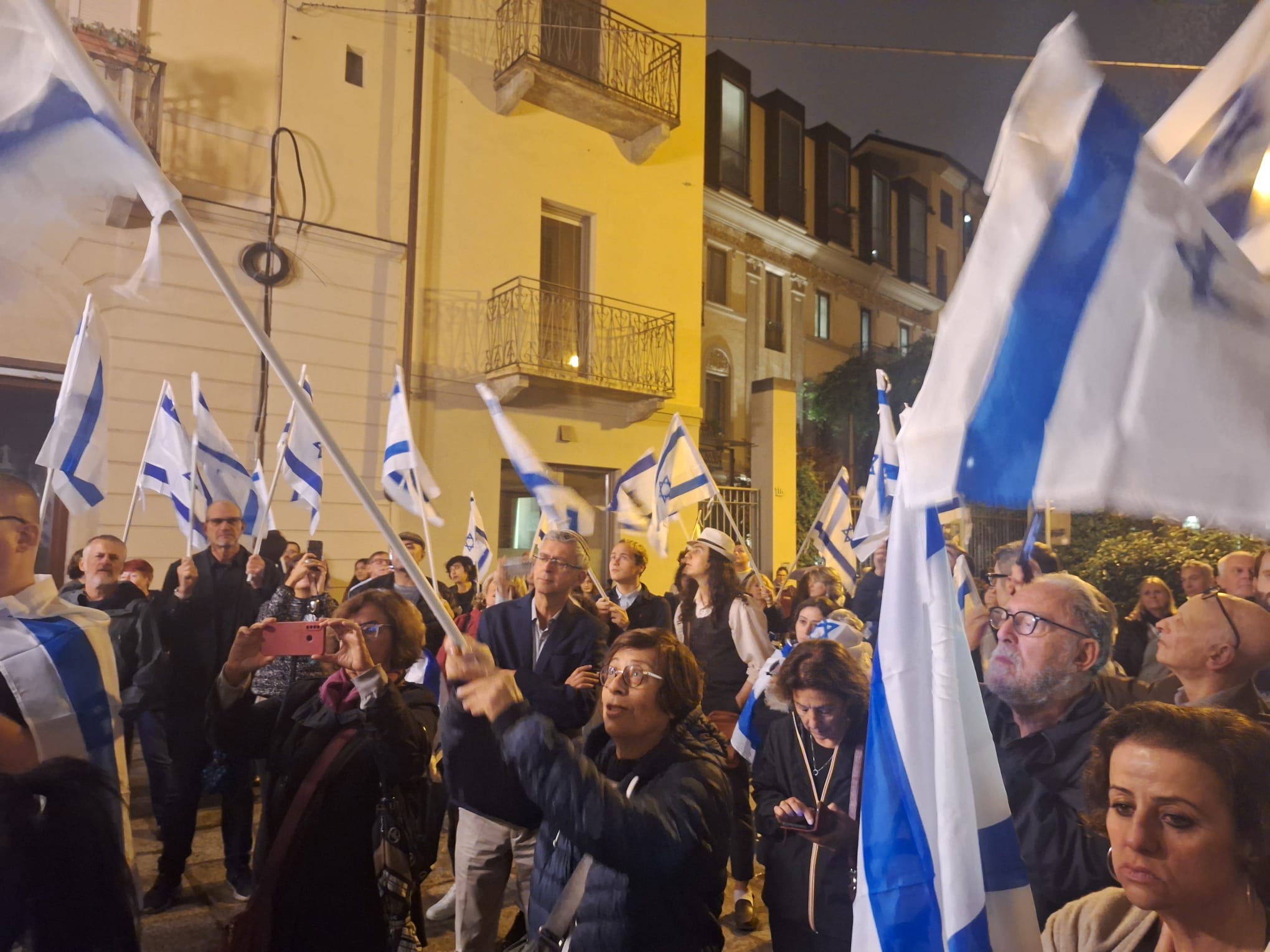
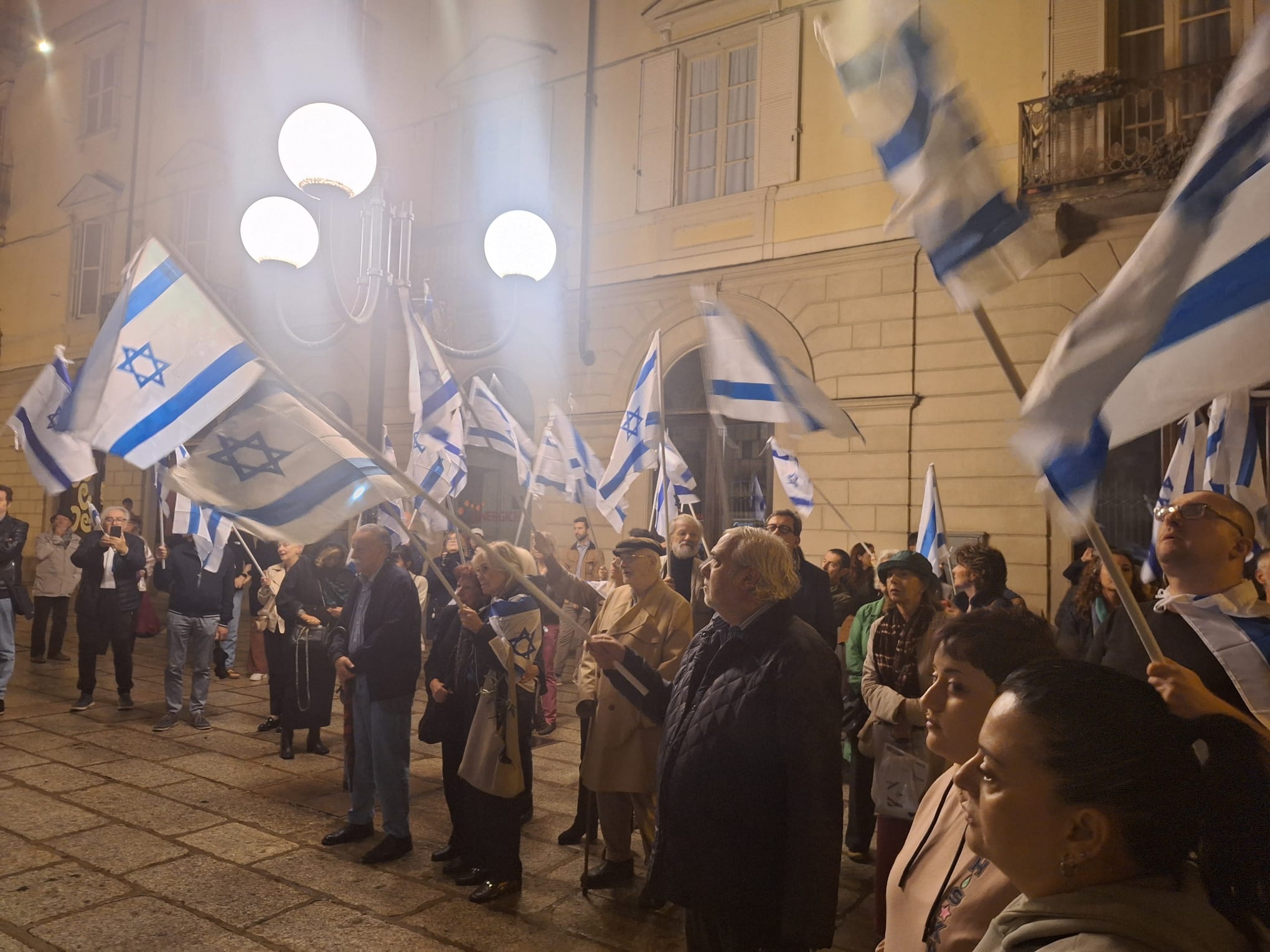
A moment of reflection and prayer, a roundtable discussion, songs in the square, poetry, a concert. From the evening of Tuesday, October 6, to the evening of Wednesday, October 7, our community gathered on several occasions to commemorate the horror of three years ago—doing so in various ways, through the power of prayer and silence, the clarity of geopolitical analysis, and the moving resonance of song.
On the evening of October 6th, a moment of prayer took place in the synagogue following the regular Tuesday service. It was attended by public officials and representatives of other faiths, who offered us their solidarity—a gesture deeply appreciated at a time when many of us are experiencing a profound sense of loneliness.
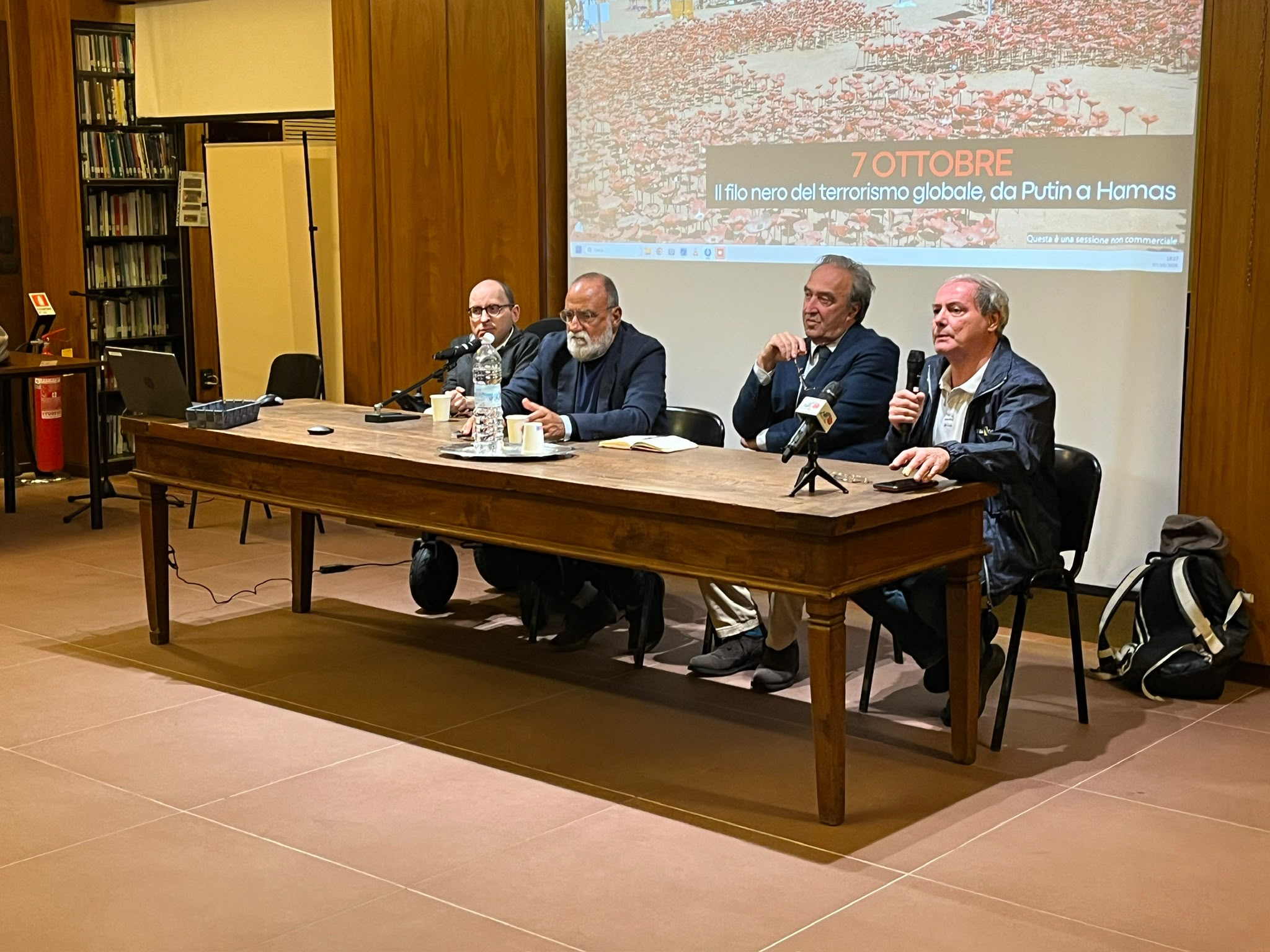
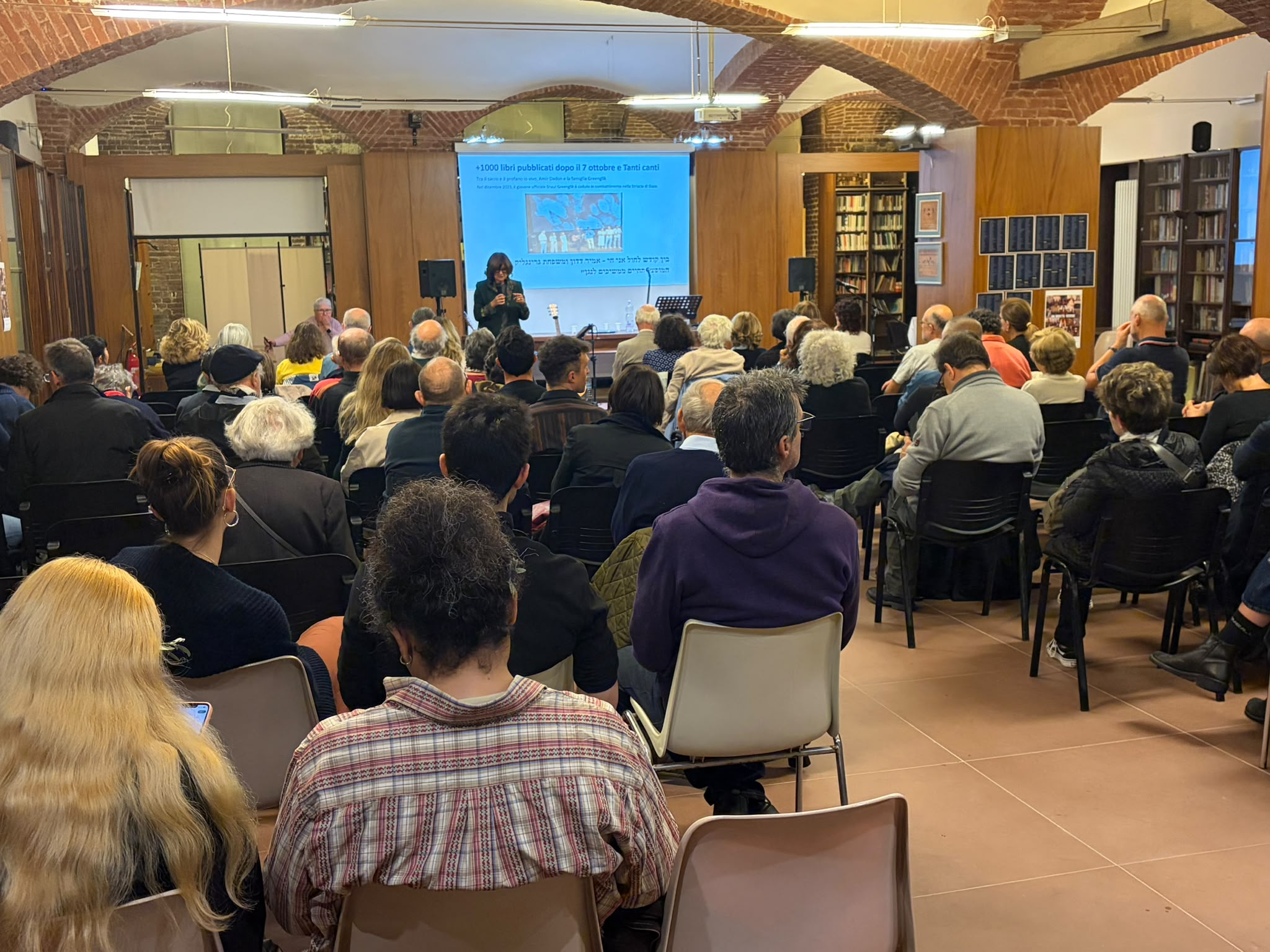
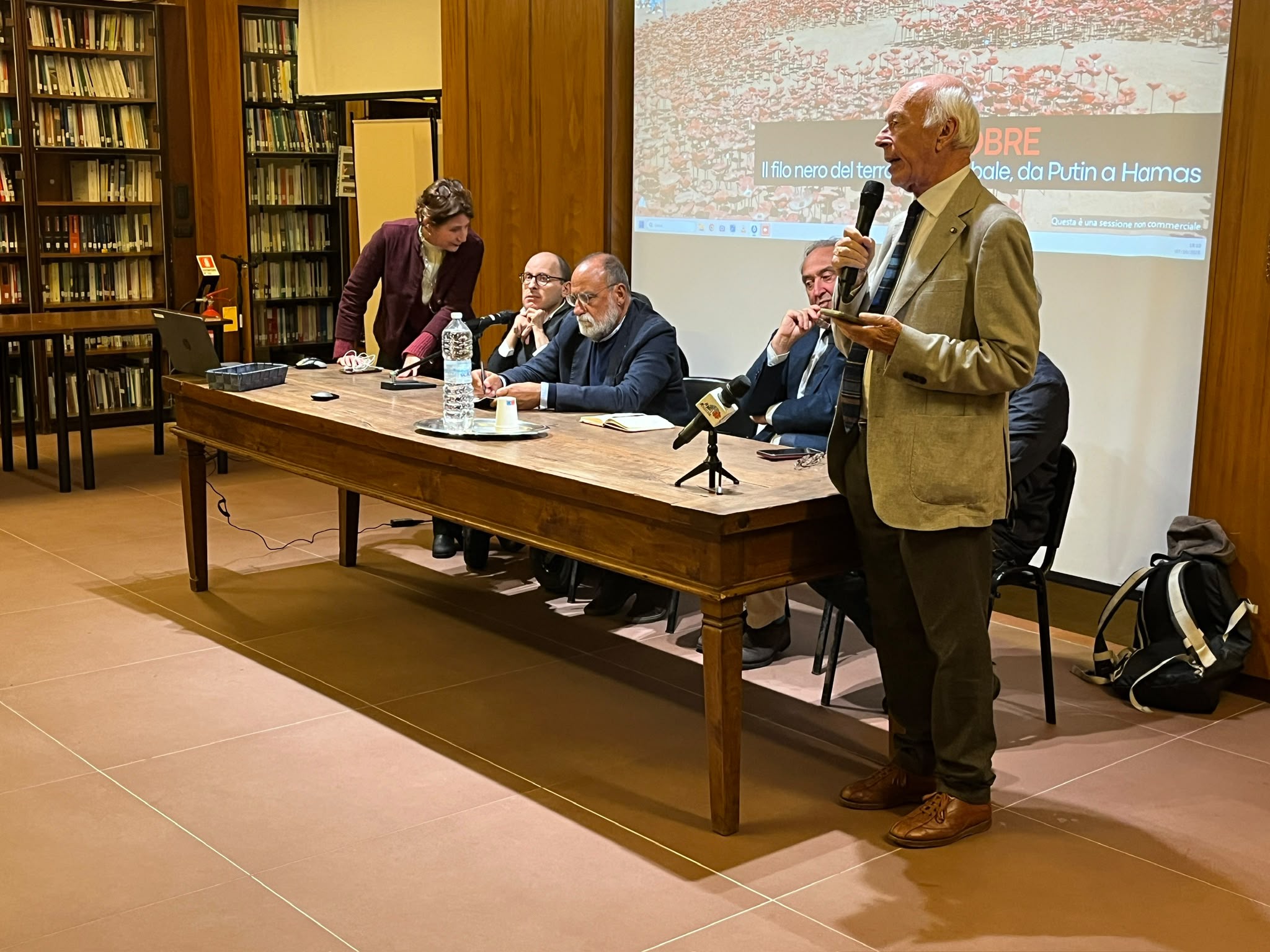
The meeting on October 7th, titled “The Dark Thread of Global Terrorism: From Putin to Hamas,” brought together a diverse group of individuals, each offering different perspectives on the political, ideological, and strategic links connecting authoritarian regimes and terrorist organizations. Pina Picierno, Vice-President of the European Parliament—unable to attend due to a concurrent vote—sent a video message in which she emphasized the need to condemn the October 7th attack unequivocally. Gianni Vernetti and the roundtable moderator, Sergio Rovasio, also addressed the many ambiguities present in today’s public discourse. Journalist Carlo Romeo focused specifically on the influence of Putin’s Russia, which he described as far more dangerous and pervasive than many realize. As always, Gabriele Segre provided a broad and nuanced geopolitical analysis, noting that Israel—situated as a “fault line” between East and West—is hit particularly hard by the general crisis of values and the lack of clear points of reference that characterize our times.
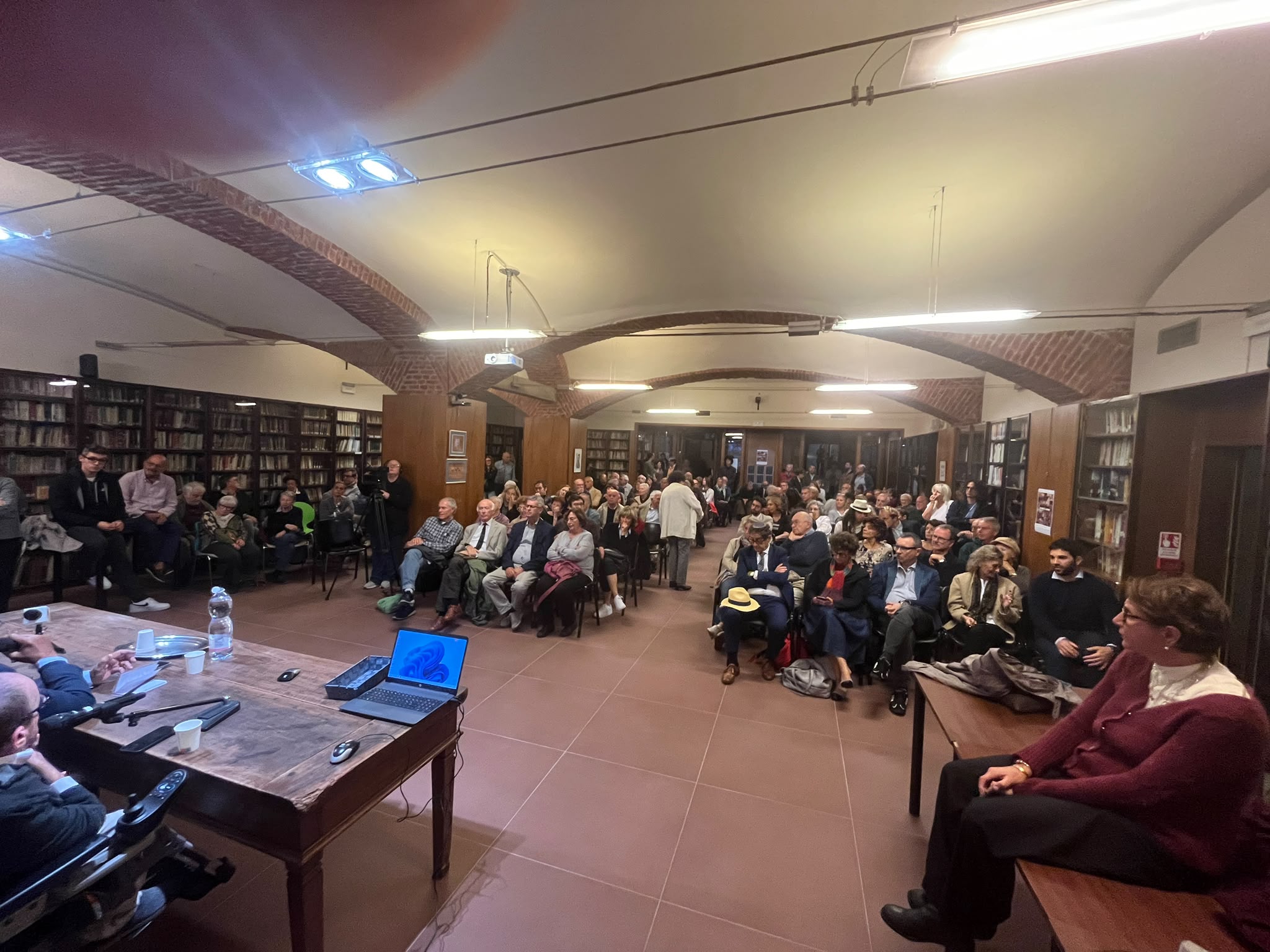
Perhaps partly because it was promoted by several organizations—including the Jewish Community of Turin, the Jewish Studies Group, ADEI-WIZO Turin, the Camis de Fonseca Association, the Jewish Community of Casale Monferrato, “Left for Israel – Two Peoples, Two States,” Italy-Israel Piedmont, and the Italy-Israel Association—each with its own members and supporters, the event drew an exceptional turnout, far exceeding our expectations. Unfortunately, it was not possible to accommodate everyone, as the venue’s capacity did not allow for it. I would like to take this opportunity to offer my apologies on behalf of the Community Council and to thank everyone for their invaluable show of support.
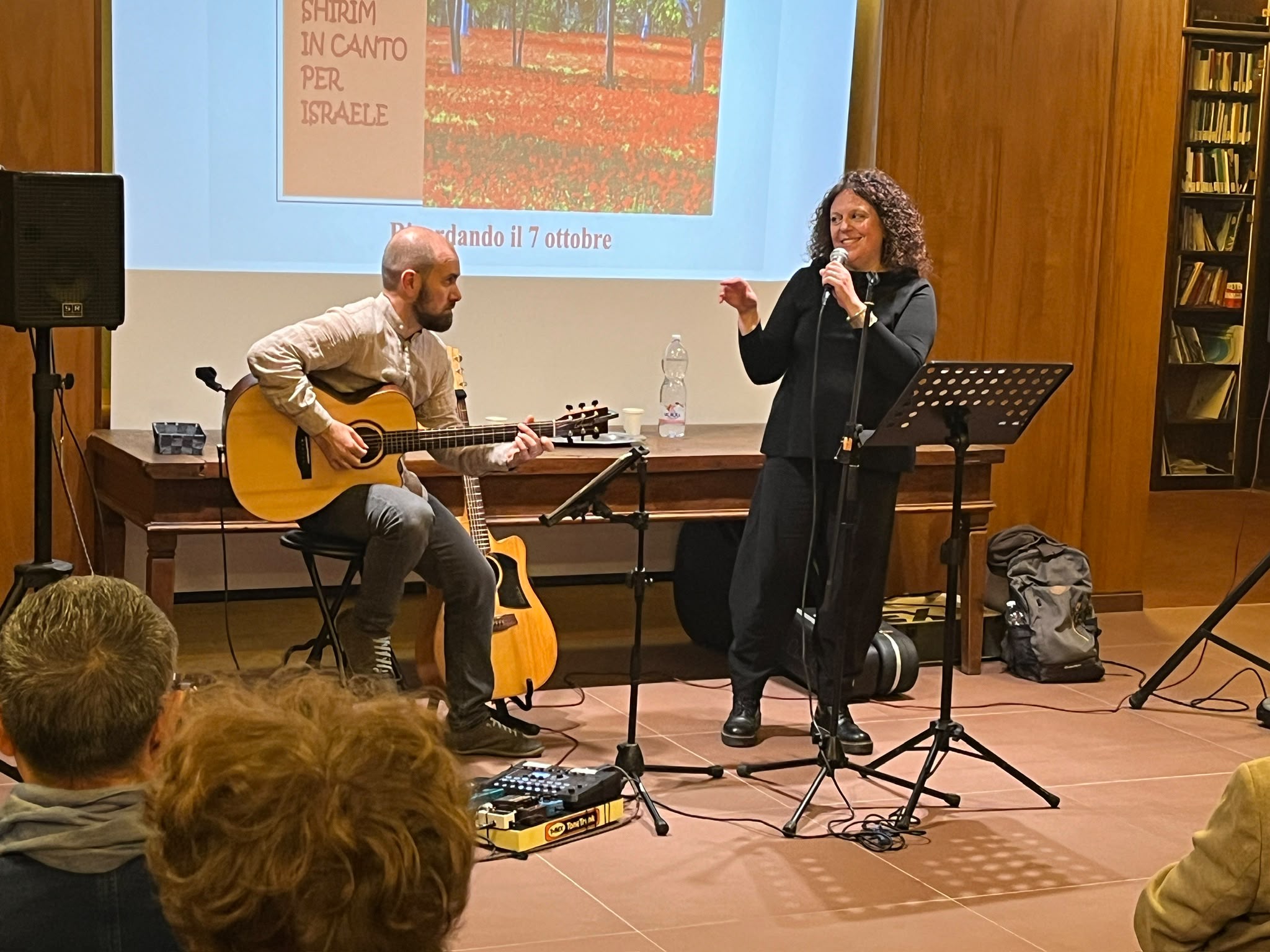
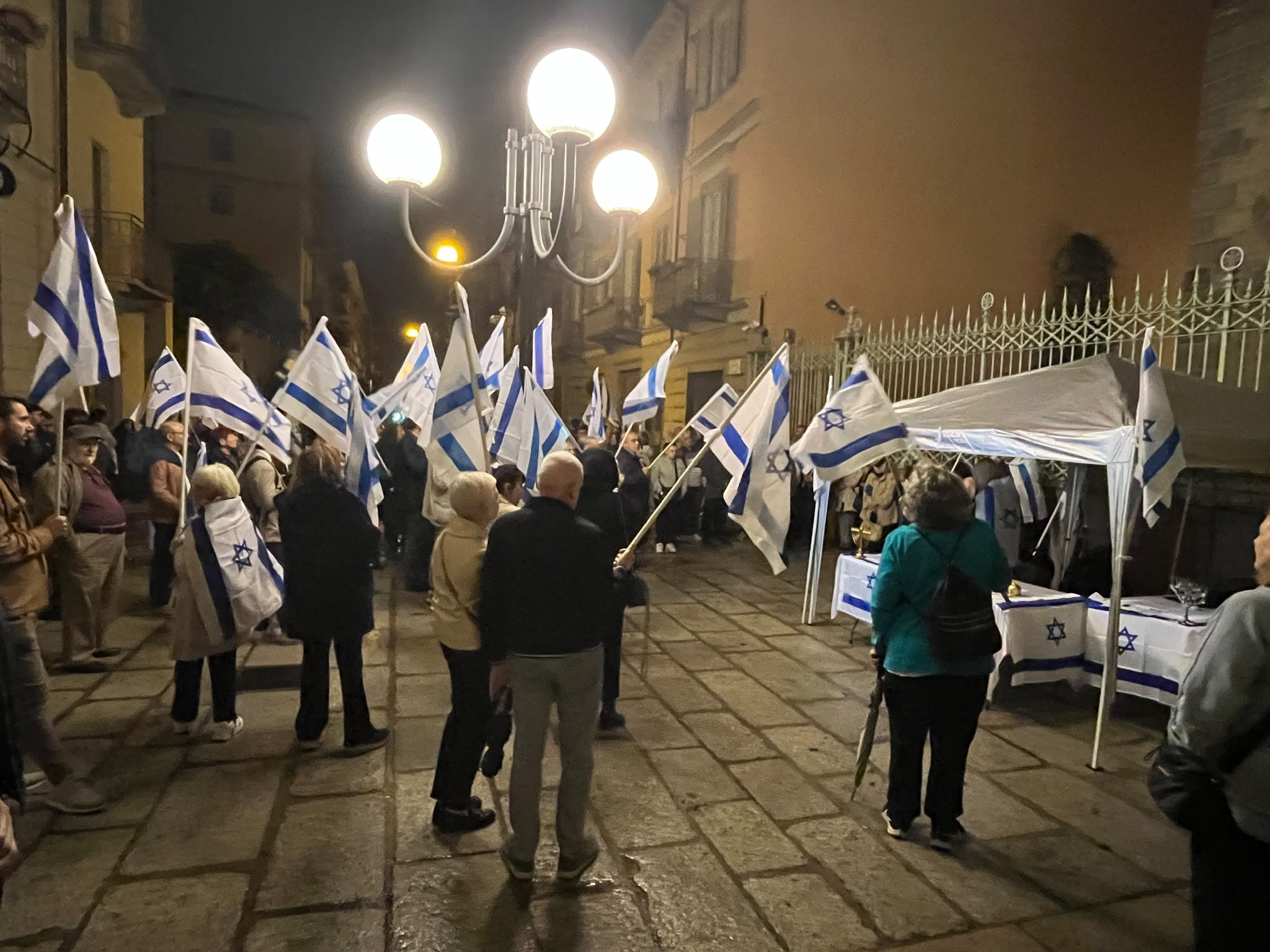
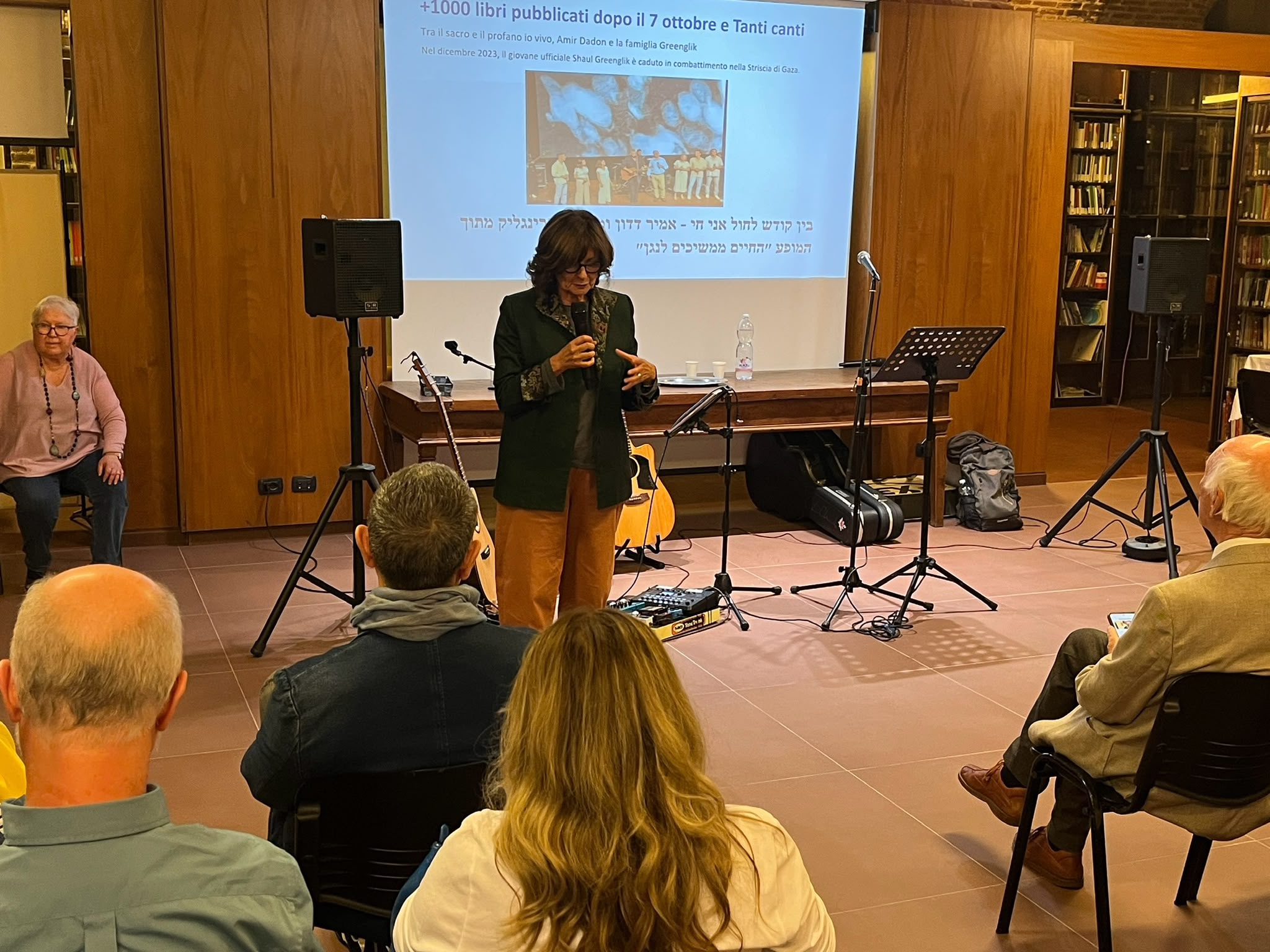
The round table was followed by a moving interlude of song outside the Community center, in Piazzetta Primo Levi. The evening concluded with *Shirim: In Canto per Israele* (“Songs: Singing for Israel”), a concert by singer and Hebraist Maria Teresa Milano—well-known within our Community, having served for many years as the choir director for ASSET (the Association of Former Students and Friends of the Jewish School of Turin). She was accompanied on guitar by Dario Littera, with an introductory presentation of poems by Sarah Kaminski. Maria Teresa Milano offered a deliberately understated selection of songs—some well-known, others less so—weaving together a tapestry of emotions, collective experiences, and moments of both joy and suffering. She gave particular prominence to the voices of women—past and present—who have sung of the various stages of life: from the longing for motherhood, childhood, and prayer, to war, suffering, and the enduring sweetness of love. The focus on women’s voices also served to honor the women who were victims on October 7, 2023—victims of a cruelty that has all too often been downplayed or denied.
Amid the anguish of recalling those terrible moments—and the anger we all feel at the denials, the downplaying, and even the outright justifications that we are constantly forced to read and hear—these events, which brought together individuals and groups with vastly different opinions and sensibilities, have undoubtedly served as a source of comfort and a light in the darkness of this difficult period.
Thank you to everyone who, through their participation, has helped to ignite and spread this light.
Anna Segre