16:33
 17:41
 Wayshlach - Gen. 32-4/36-43


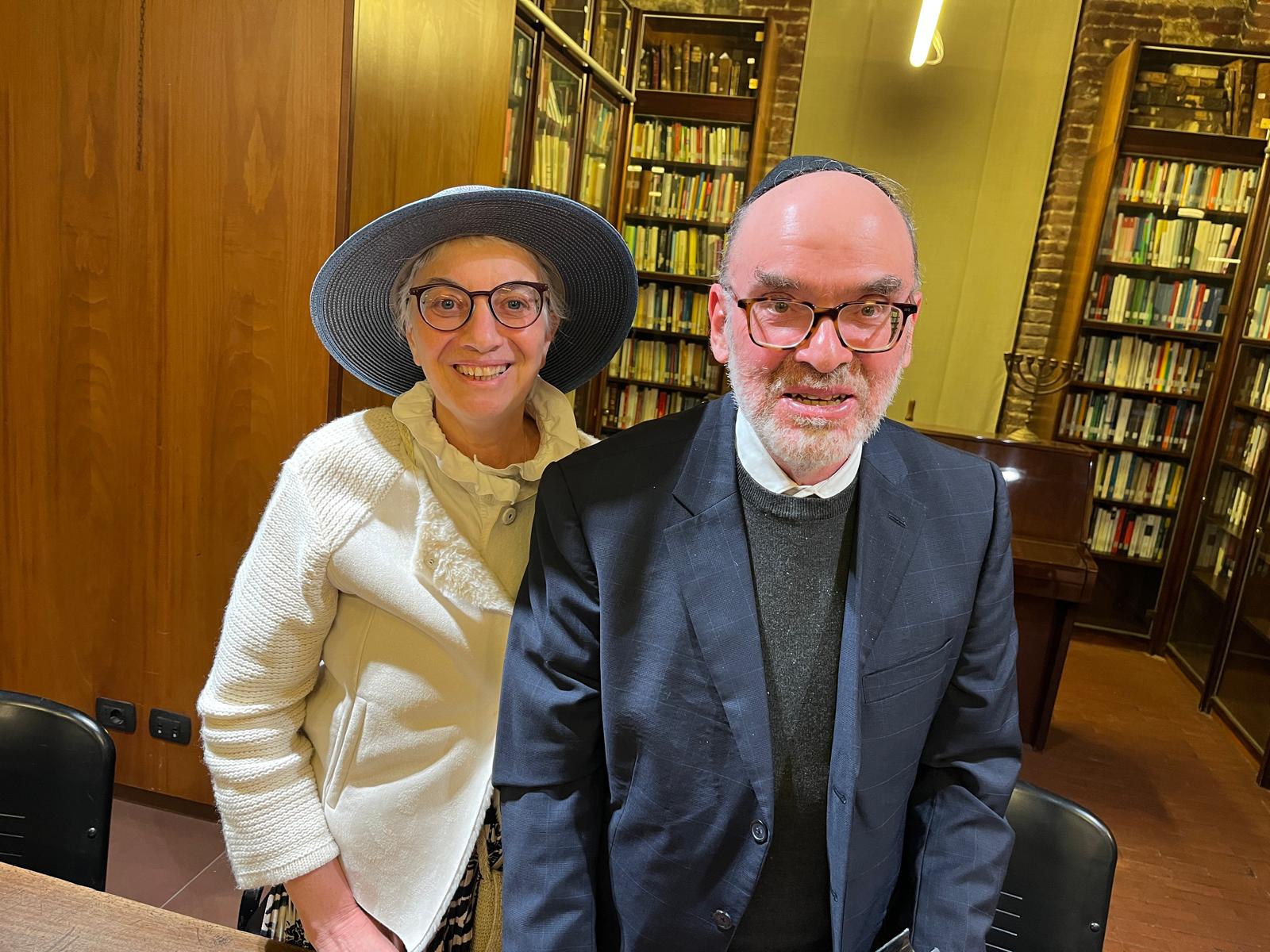
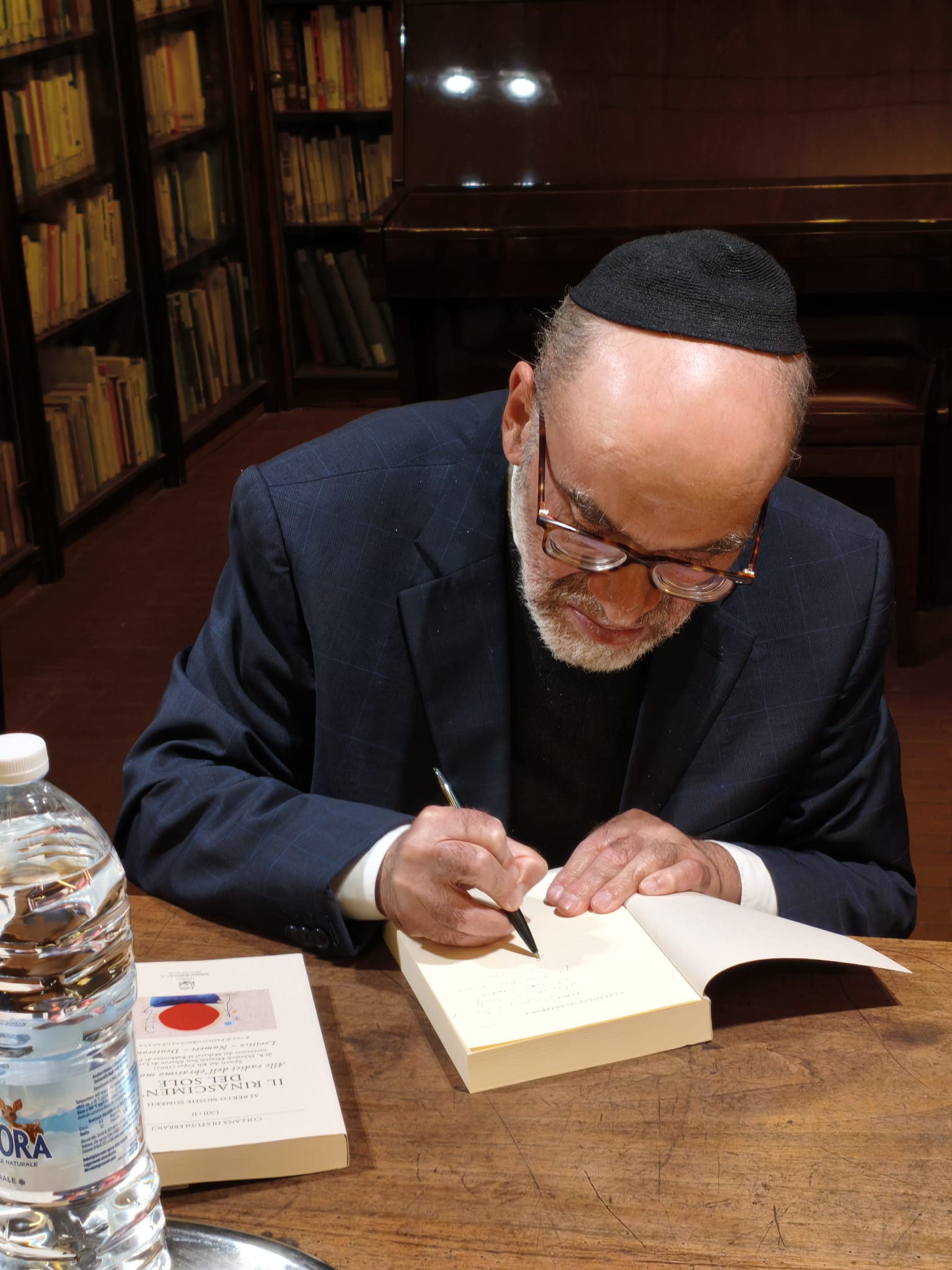
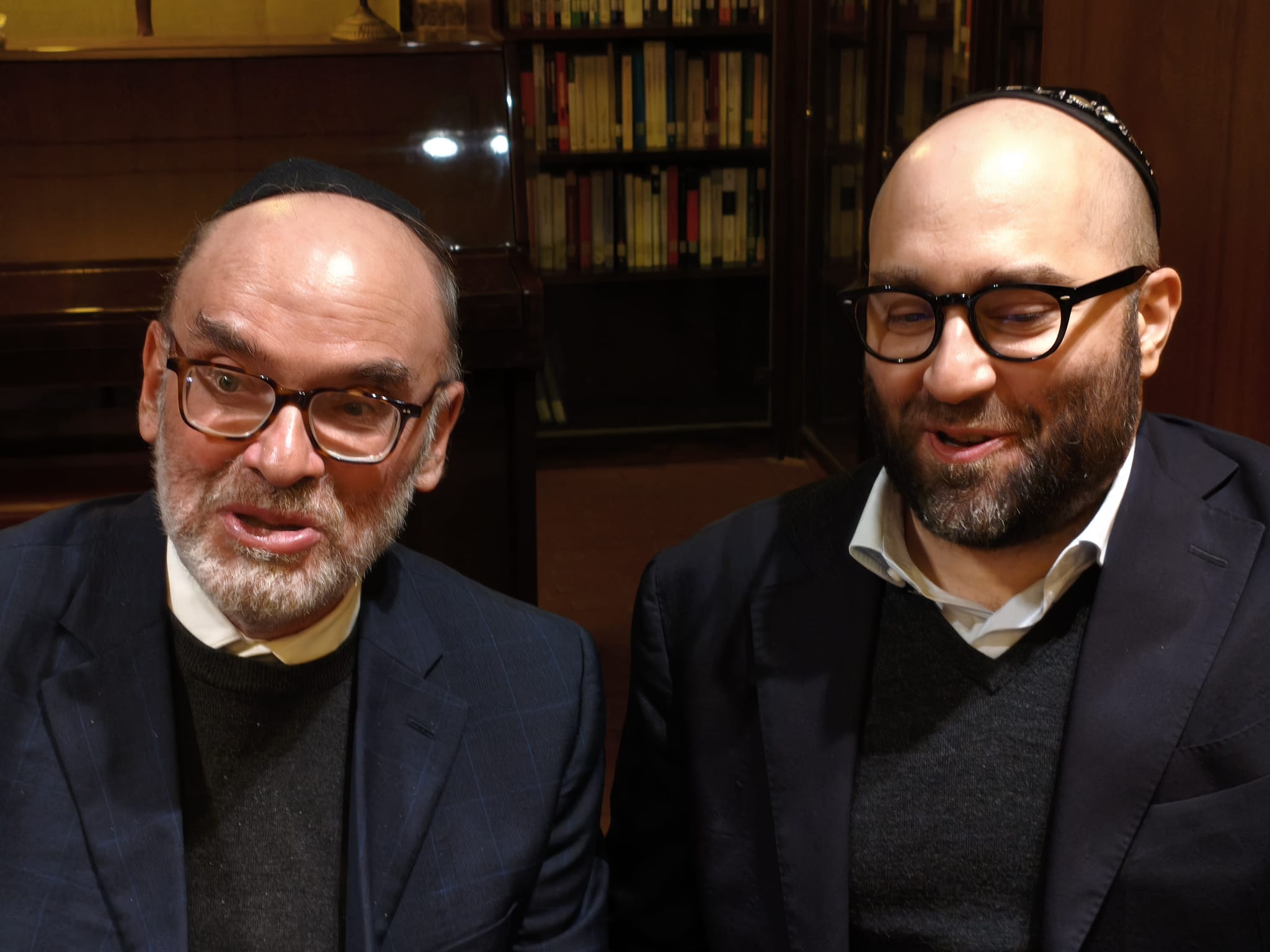
Following his retirement and his move to Israel about ten months ago, Rabbi Alberto Moshe Somekh, accompanied by his wife Alessandra, returned to Turin for the weekend—to the very community where he served as rabbi for 32 years.
The meeting with the Jews of Turin was very warm and engaging.
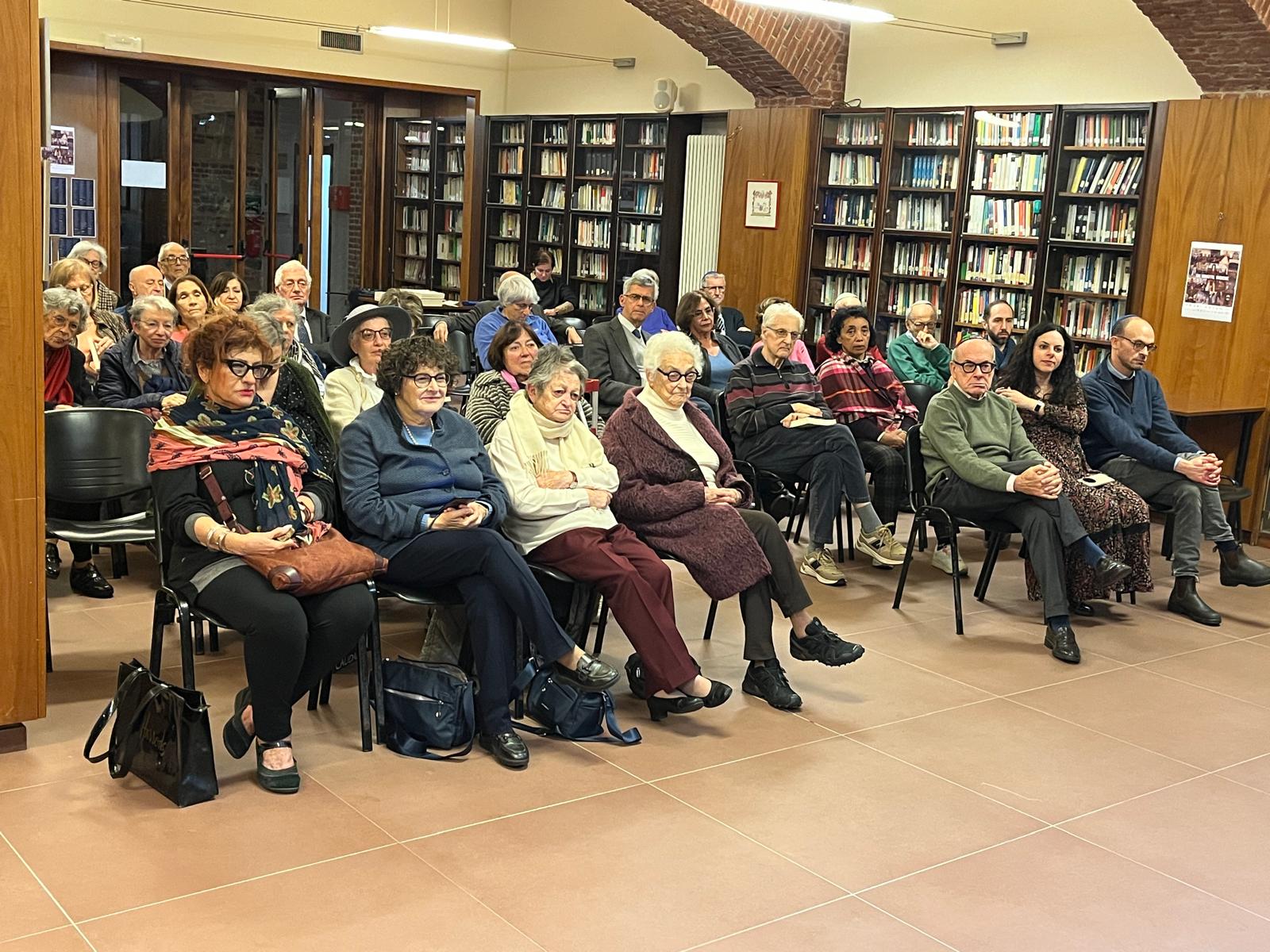
About fifty people, including many young people, Italians, Israelis, and others, attended the Shabbat communal dinner on Friday evening, November 13th. Amidst songs and cheer, there was time for a few words about the week’s parashah. Toledot (to whom a lesson had also been dedicated before the dinner), and for a very interesting reflection by Rav Somekh: in Israel – he said – there is a lack of a sense of community; in a context in which everyone is Jewish there is no need to organize common lunches and dinners, nor even the kiddush on Saturday morning: after the services, everyone returns home to their own family. From this perspective, being a minority has its advantages.
By a curious and fascinating coincidence, the origin of the city in which Rav Somekh currently resides is explained precisely in the parashah of Toledot: Rehovot This is the third well dug by Isaac—after he had been forced to abandon the previous ones due to disputes with the local inhabitants—and it is the one with which he finally finds peace. Given that water often represents the Torah, the three wells can be interpreted in light of the subsequent history of the Jewish people and their relationships with the other two monotheistic religions; this is an unusual interpretation offered by Rav Somekh in his Saturday morning sermon, which provided a glimpse of the themes that would later be explored that evening.
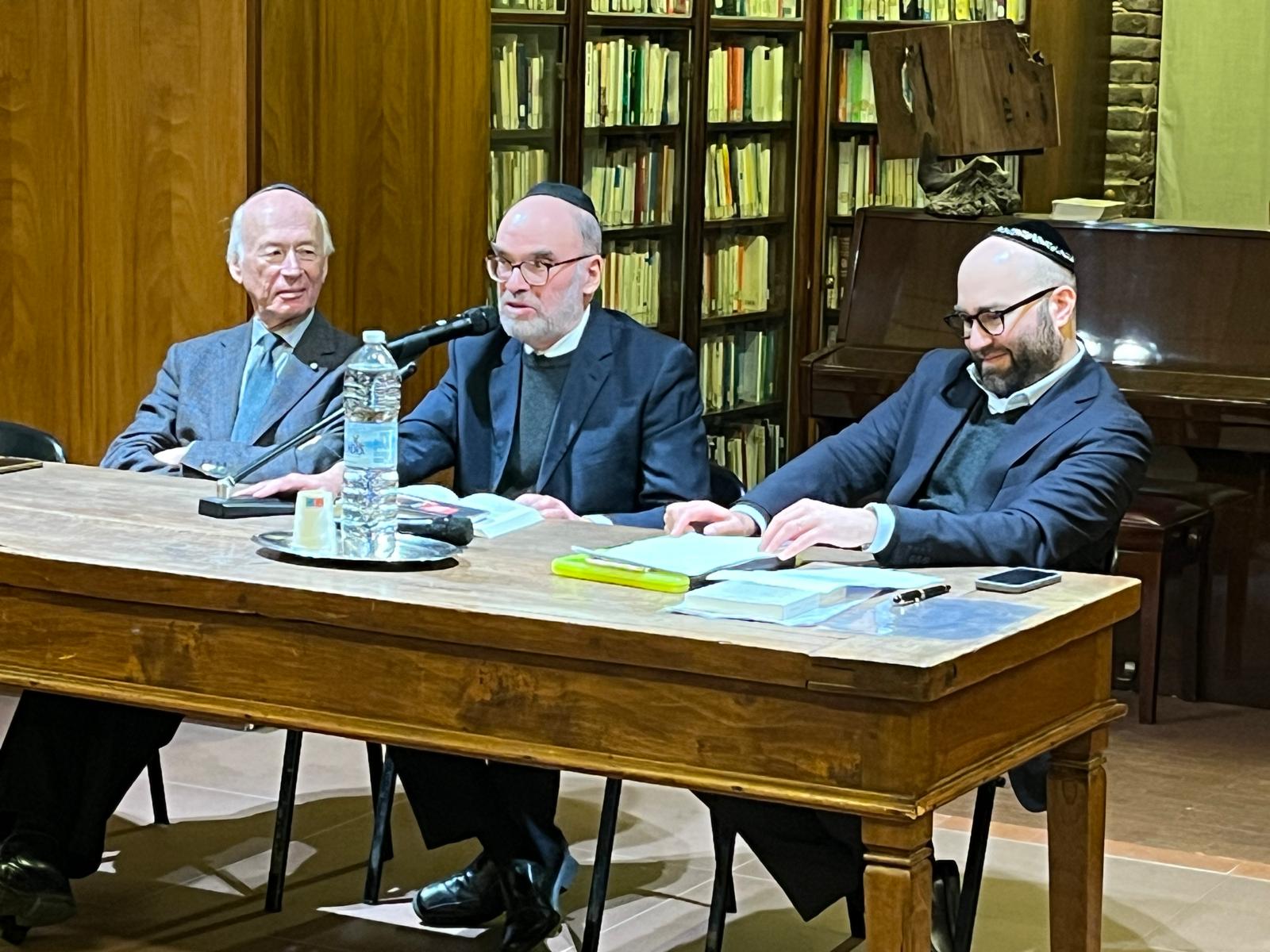
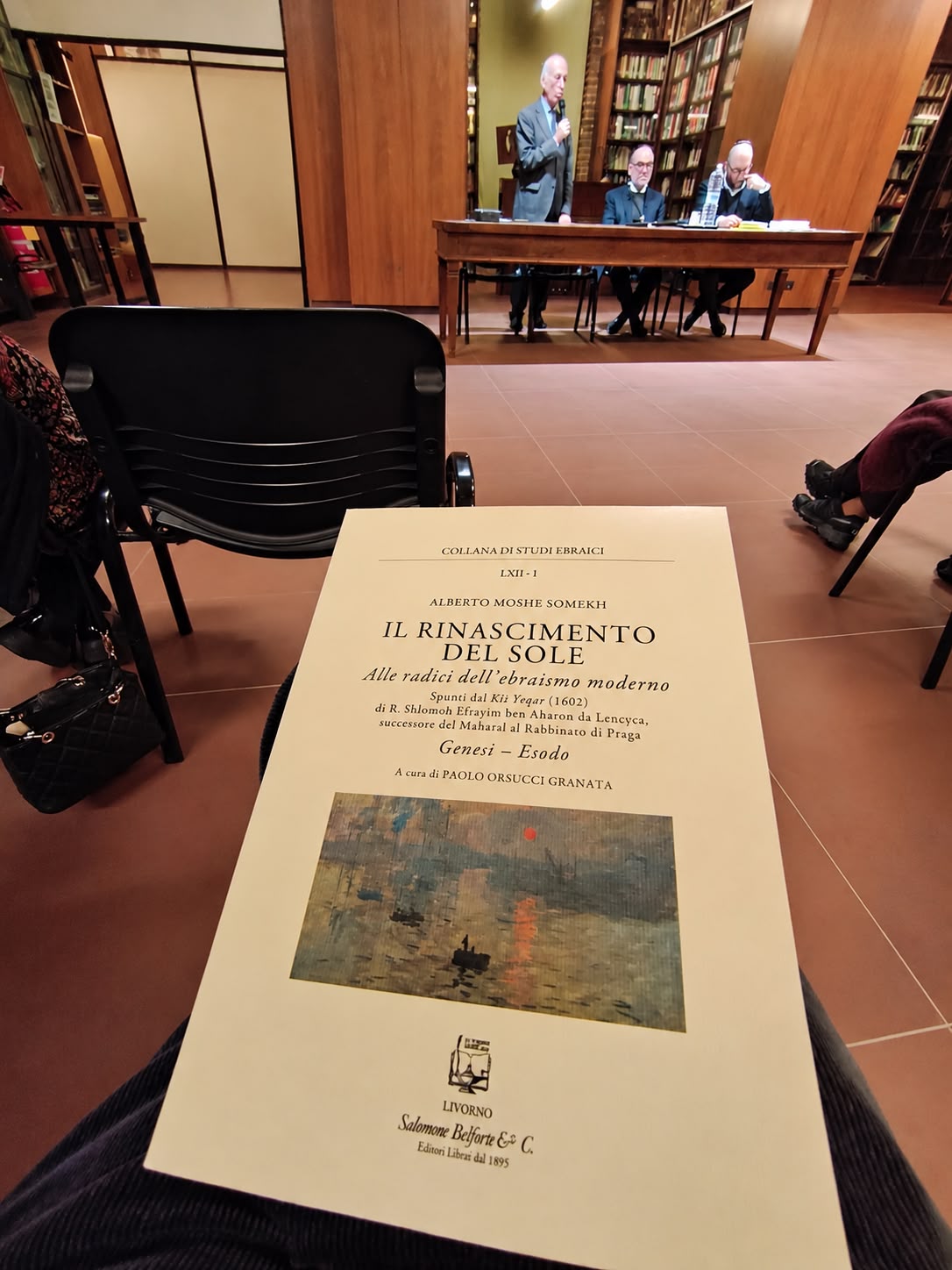
The main reason—and the central moment—of Rav Somekh’s visit to Turin was, in fact, the presentation of his book on the evening of Saturday the 14th. The Renaissance of the Sun (Belforte), commentary on Kli Yakar (“precious object”), the best-known text by the rabbi and preacher Shlomo Ephraim ben Aaron Luntschitz (1550–1619), who lived between Poland and Ukraine and became Rabbi of Prague in 1604.
Following the remarks by the President of the Jewish Community of Turin Dario Disegni, Shemuel Lampronti briefly introduced the figure of the author of the Kli Yakar, Initially so poor that he had to quote from memory texts he didn’t own, and the origins of the book: a collection of his sermons ordered to fulfill a vow following an illness. The title, taken from the biblical book of Proverbs, refers to the knowing lips, which are, in fact, the true “precious object.”
After having illustrated the method with which Rav Somekh organized the text (exposing and illustrating the sources from which the commentary of the Kli Yakar and leaving the comparison to the reader), Shemuel Lampronti then brought some interesting examples of exegesis in which the Kli Yakar (as is customary in the rabbinic world, the author is almost always referred to by the title of his book), while employing the creative interpretation of the *midrash*, nonetheless refuses to abandon the literal meaning of the biblical text entirely: the verse is read literally, while the *midrash* offers further points for reflection.
Then, answering Shemuel Lampronti’s questions, Rav Somekh explained the title of his book, The Renaissance of the Sun, which refers to one of the interpretations present in the text, but also to the era in which it was written. Indeed, Rav Somekh has always found authors who allow us to establish a connection between one era and another particularly interesting. It must not be forgotten that rabbinic culture is an integral part of a larger world, to which it seeks to give an interpretation. And so the Kli Yakar He inevitably engaged with the Renaissance.
An example of these connections given by Shemuel Lampronti is the explanation of the Tower of Babel as a building constructed by men to be united and not to wage war, a sort of utopia (the book of the same name by Thomas More is from 1516, a few decades before the birth of the Kli Yakar), then shipwrecked due to individual ambitions. Another interesting connection proposed by Rav Somekh: a few decades before Spinoza the Kli Yakar interprets the figure of the rebel Korah as a man who does not acknowledge transcendence.
These are two examples of a study that must span different eras—from the earliest sources to the influence exerted on later authors (Rabbi Somekh even researched which 19th-century Italian rabbis owned a copy of the *Kli Yakar* in their libraries).
Therefore, Rabbi Somekh concluded, study should not be confined to isolated, airtight compartments; it must take into account what came before and what followed, as well as the societies and cultures in which the Torah commentators lived. We, too, are part of the chain of tradition; the Torah continues to unfold even today, and it is up to us to board the train.
The evening was dedicated to the memory of Manuela Rivka Spizzichino, wife of Rabbi Roberto Della Rocca, who passed away that very day.
Following the presentation of Rabbi Somekh’s book, a Kaddish was also recited for two members of our community who recently passed away: Gilberto Bosco and Donatella Ascoli.
Anna Segre