16:33
 17:41
 Wayshlach - Gen. 32-4/36-43


“How do the languages, images, and forms of antisemitism evolve over time? And in what ways do anti-Jewish hostilities intertwine with political, cultural, and religious identities?”
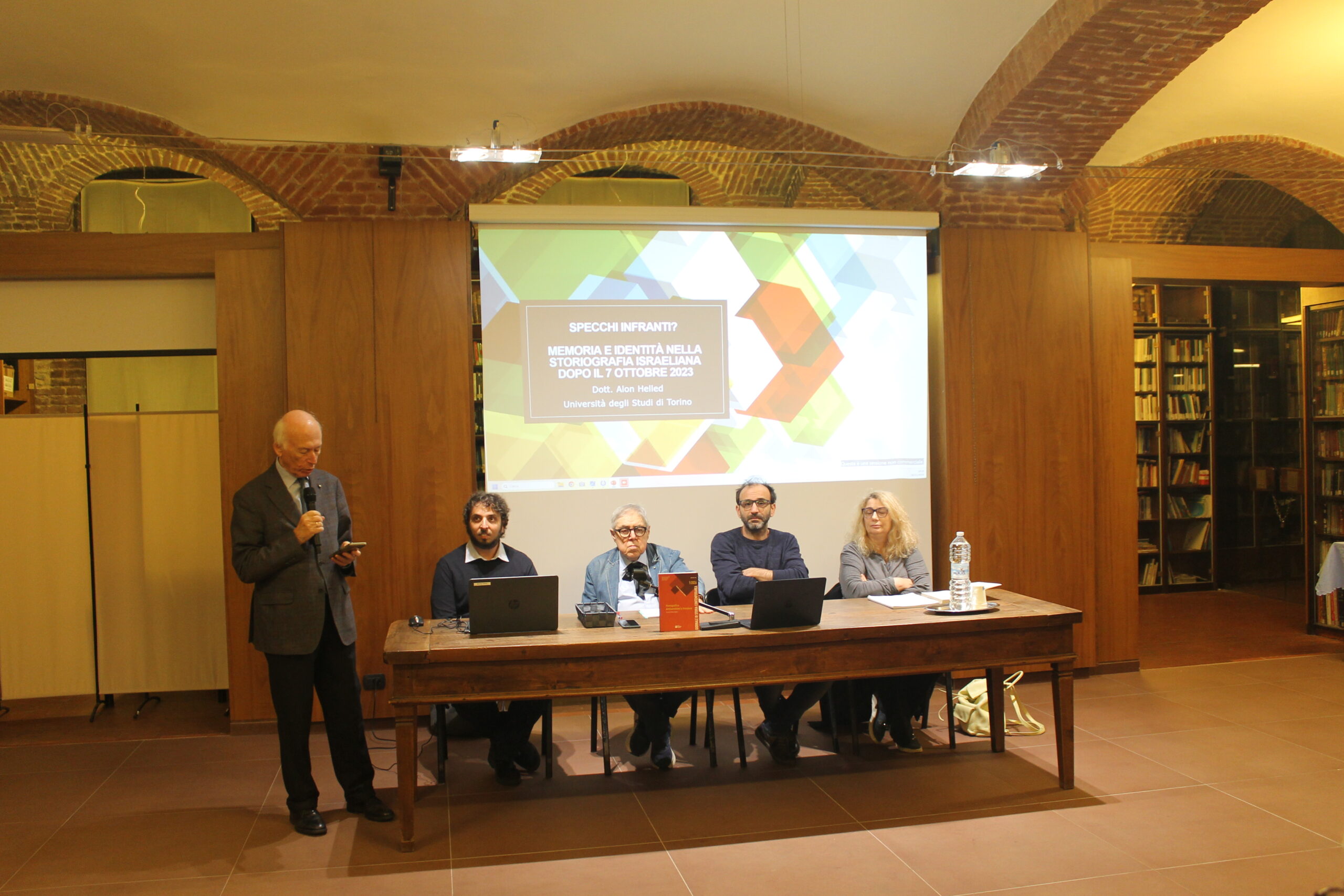
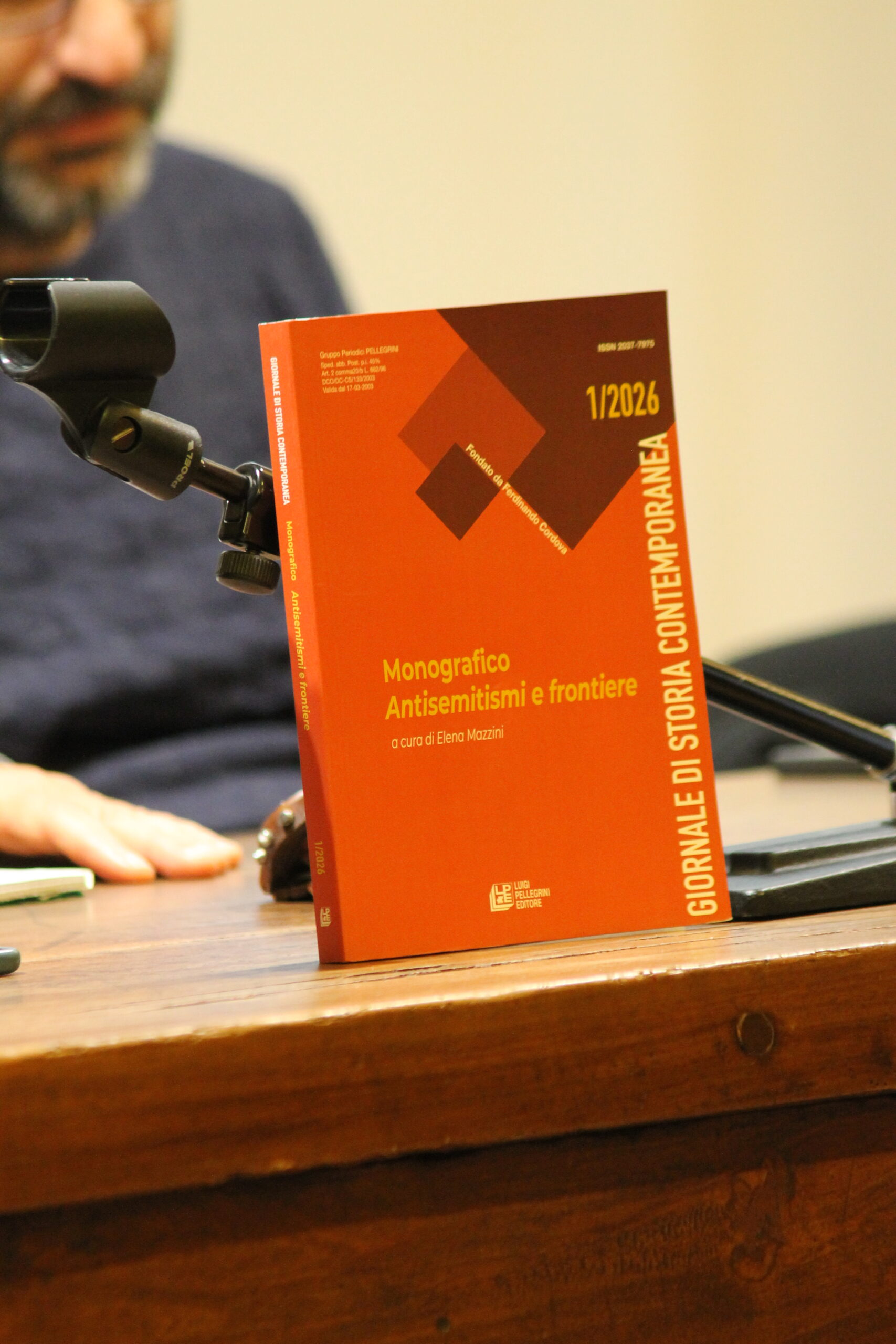
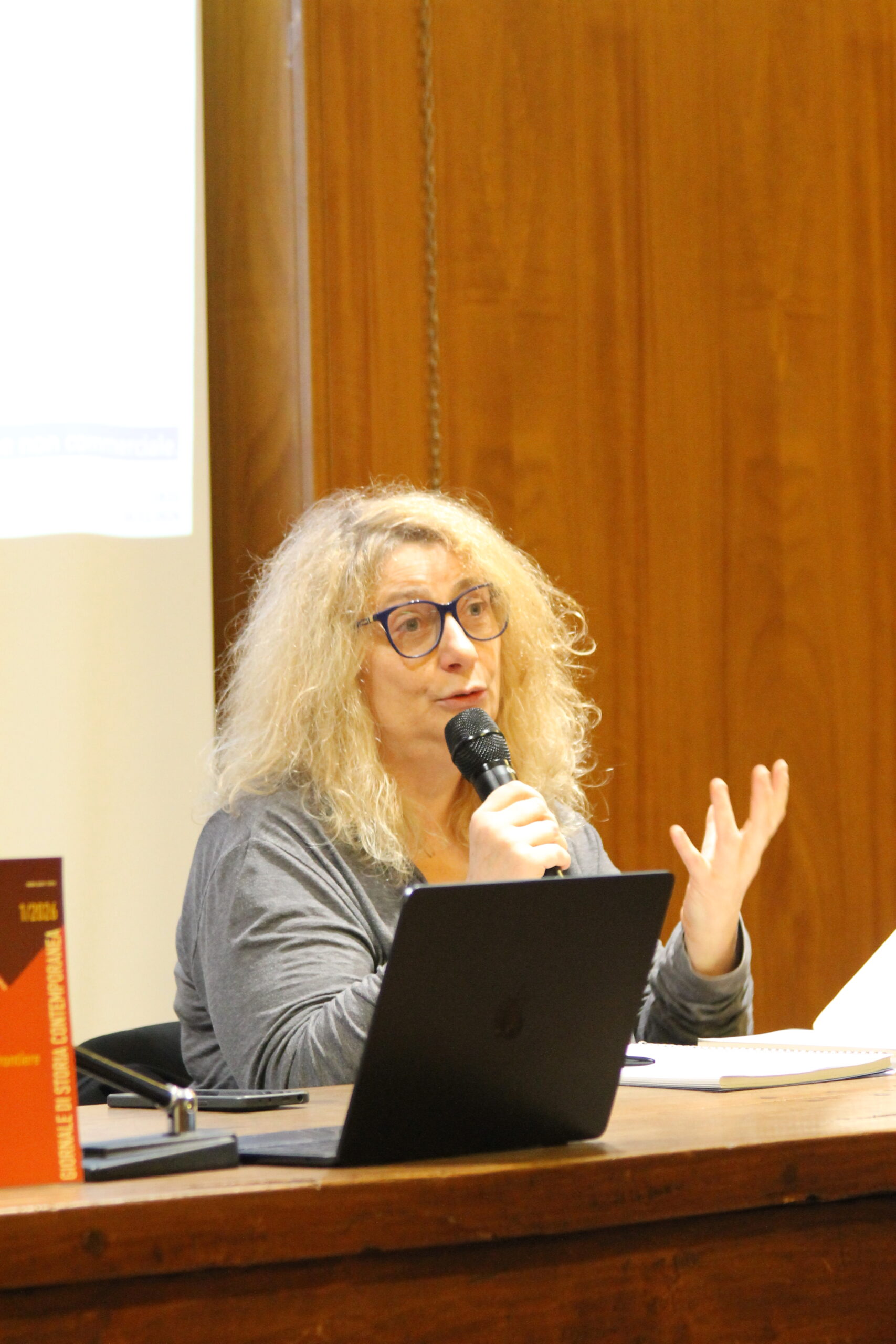
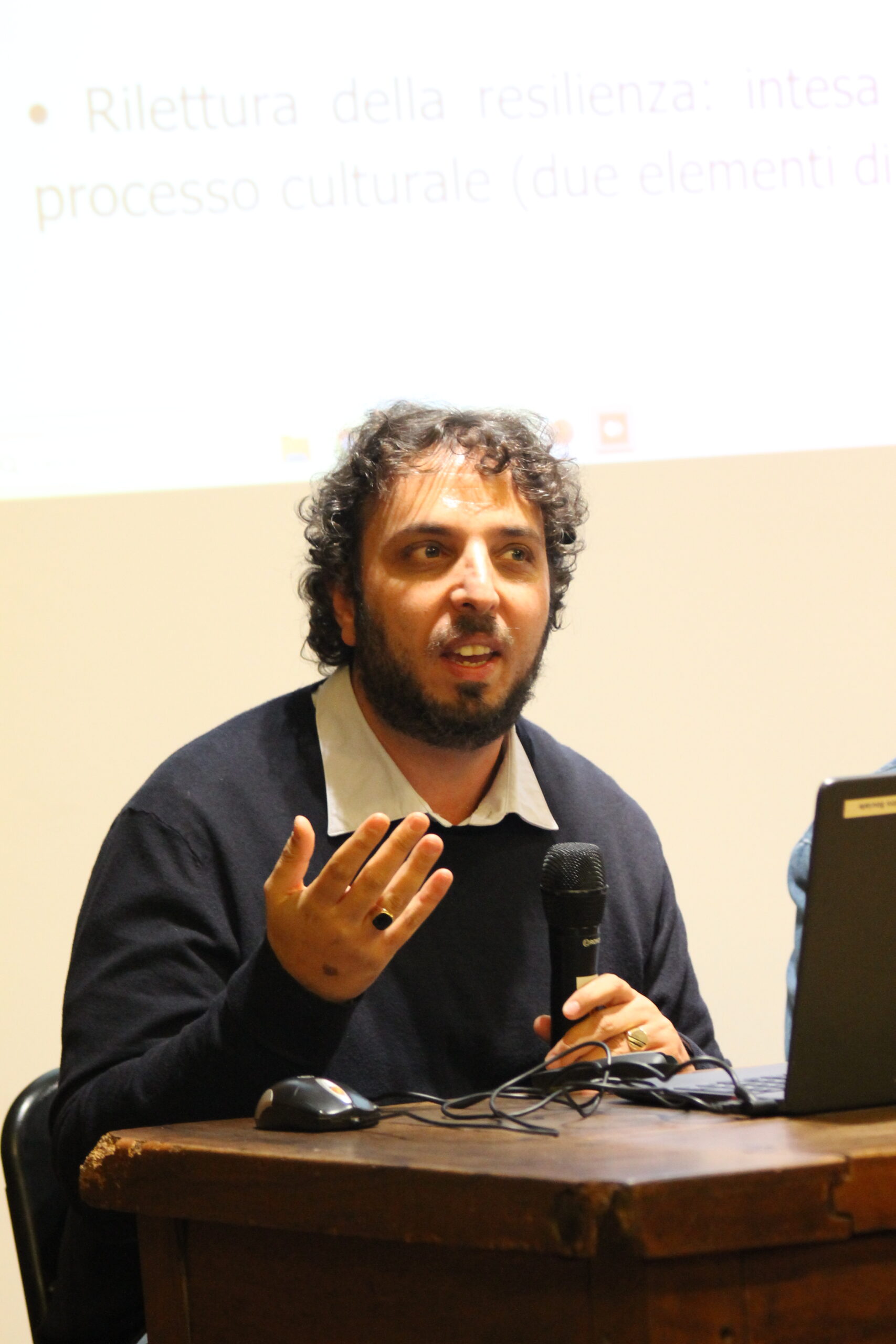
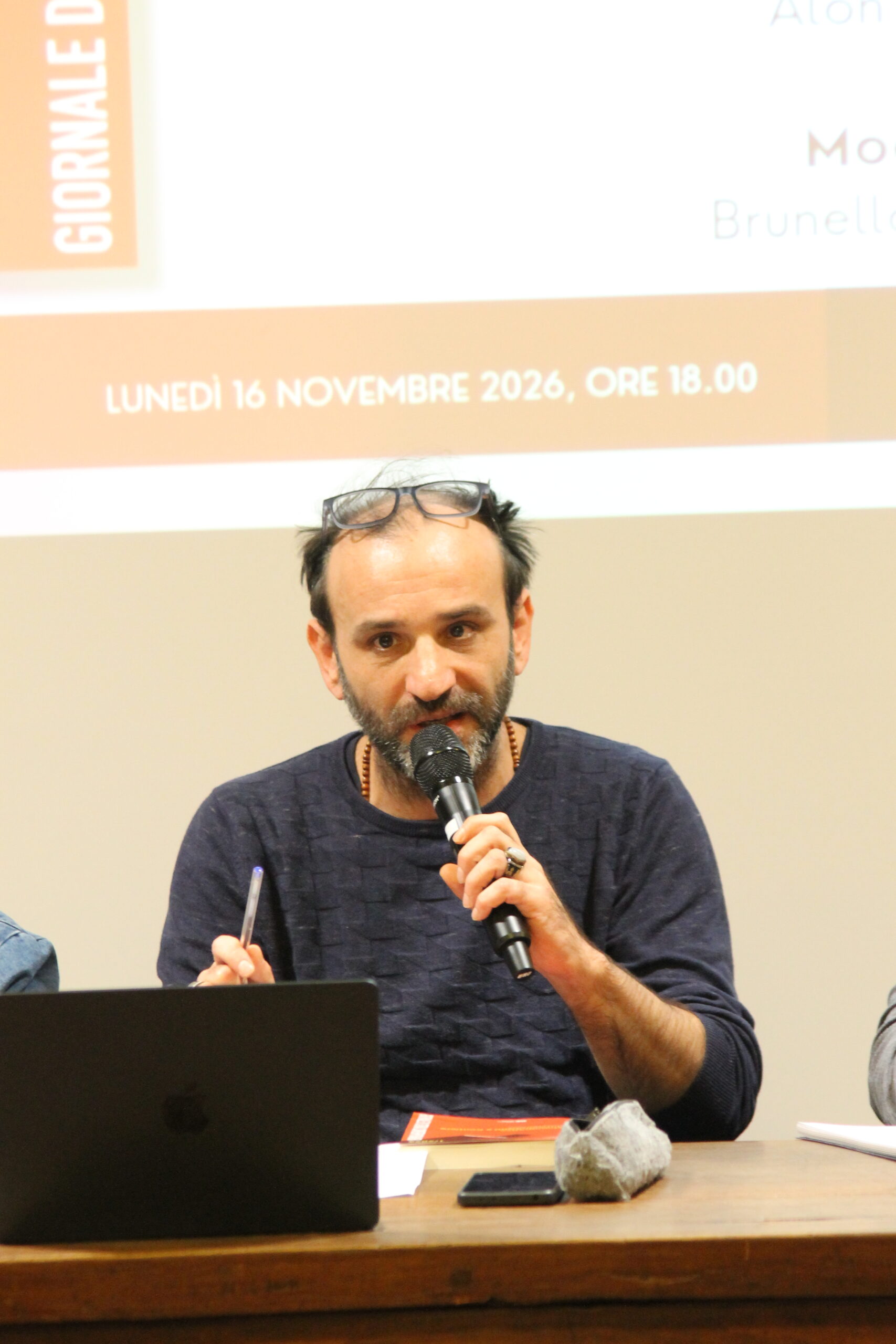
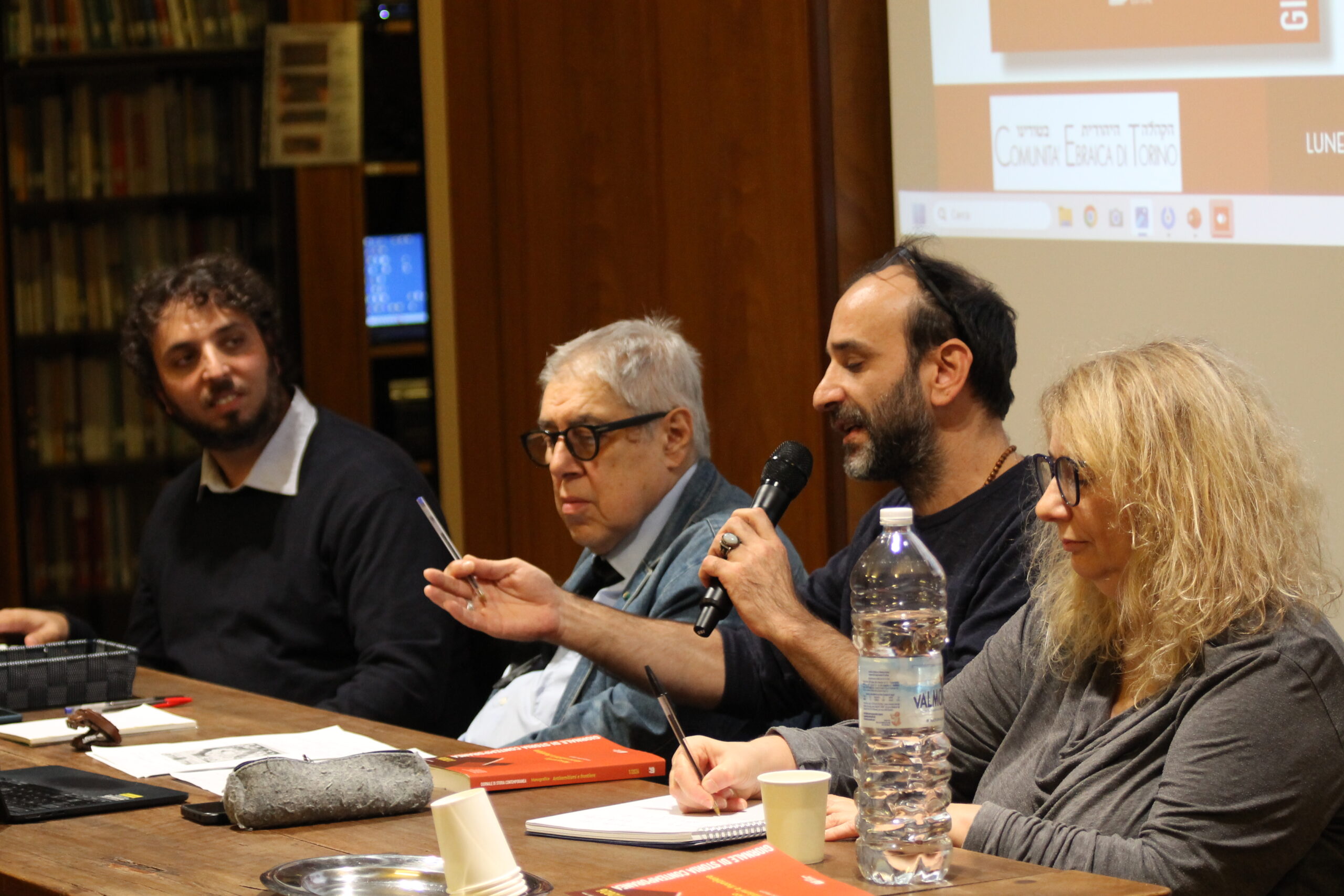
This is the theme of an interesting meeting promoted yesterday, Monday 16 November at the Social Centre, by the Community and by the “Journal of Contemporary History” …to present the latest monographic issue of the journal, which places this highly topical subject at the heart of a diverse range of analyses. The discussion—moderated by Brunello Mantelli, formerly a professor at the University of Turin, and introduced by Giovanna D’Amico, a professor at the University of Messina and editor of the journal—will feature two young scholars, both researchers at our university: Alon Helled and Gert Brojka.
Professor D’Amico, clarifying the meaning of the subject addressed by the “Journal of Contemporary History” And, by synthesizing the content of the various essays, he illustrated the political evolution of the many forms of antisemitism—both on the right and on the left—from the last century to the present day.
Delving into the heart of the most recent and painful developments, Helled has astutely analyzed the multifaceted—and at times contradictory—components, as well as the heavy legacy, that an event like the pogrom of October 7, 2023, has introduced into the fabric of Israeli identity. These include, on one hand, deeply individual experiences and narratives—all tragic, yet distinct, consequences of the massacre—and, on the other, the felt need for a collective account, which remains elusive. While the event possesses a clear “historical” weight—recalling Croce’s assertion that all history is contemporary history—a measured, “distanced” analysis is not yet possible, given how recent the events remain. Furthermore, the tragedy, while composed of intimate family dramas, also carries an inherently “institutional” dimension. These factors, along with various elements rooted in the past, make a comprehensive historical understanding of October 7 difficult to achieve at present—an event that will undoubtedly become a cornerstone for future studies on Israel and the Palestinian question.
Brojka’s research focuses on antisemitism in Turkey throughout the twentieth and twenty-first centuries. Tracing its origins back to the Ottoman era—a period when the Jewish presence was, at best, tolerated with a sense of resentment—the study examines the shift toward a republican model under the Young Turks, followed by the staunchly secularist approach championed by Mustafa Kemal Atatürk early in the last century. Even amidst these profound cultural and political transformations, institutional hostility toward Turkish Jews remained stark and burdensome; over time, it gradually and almost imperceptibly evolved into overt anti-Zionism. This transition was fueled by parallel developments: the rise of political Zionism—both within and beyond Mandatory Palestine—alongside the emergence of the Muslim Brotherhood and Arab nationalism across the Islamic world. Repeated conflicts in the Middle East further entrenched this stance. Consequently, the current climate of intense anti-Israel sentiment and antisemitism—characterized by the policies of the Erdoğan era and support for Hamas—appears to be a logical progression of a trend that has persisted throughout modern Turkish history.
An engaging debate, sparked by remarks from Professor Di Giovanni, brought this interesting afternoon to a fitting conclusion.
David Sorani