18:25
18:25 19:33
19:33 Noach - Gen. 6-9/11-32


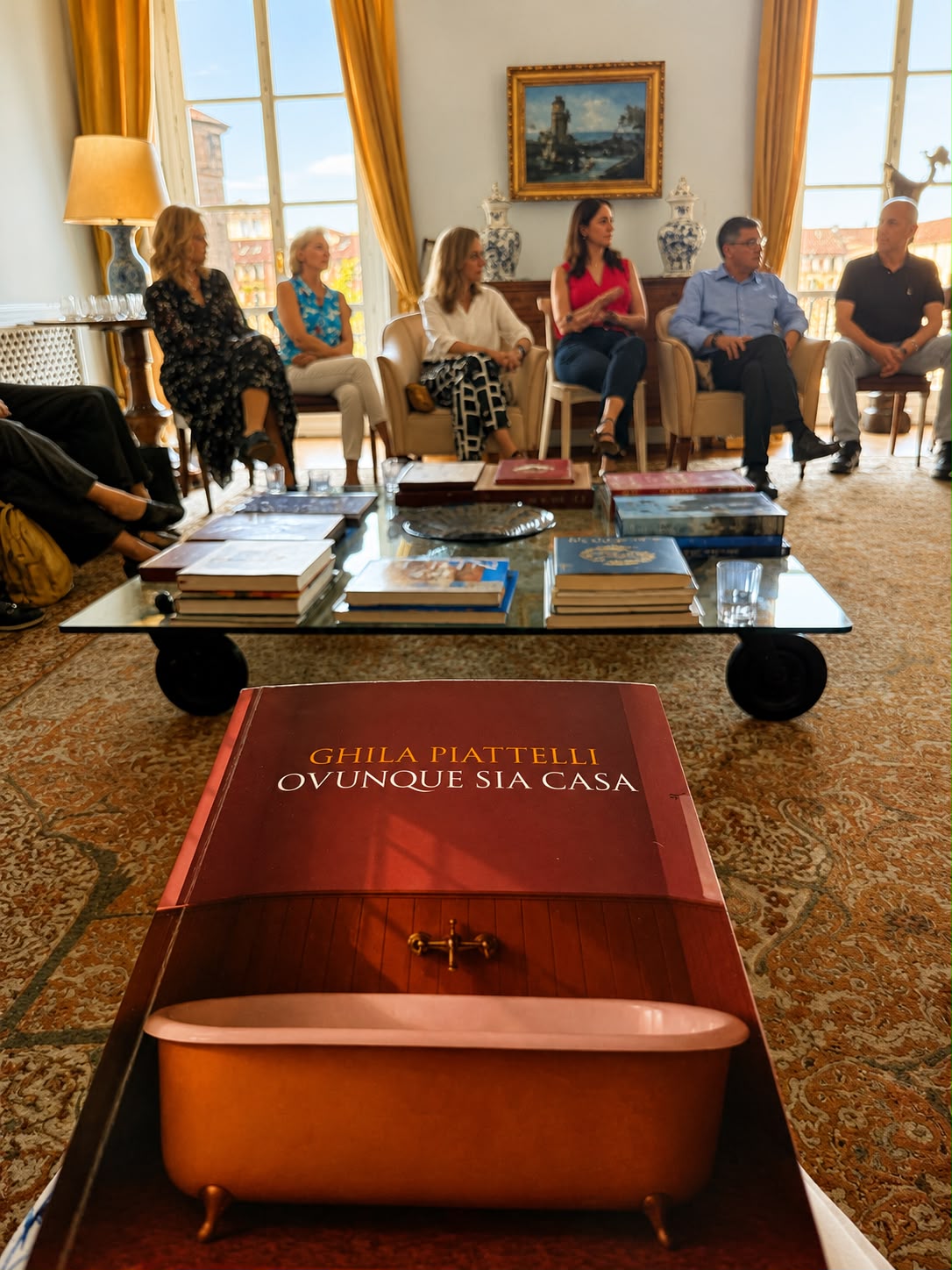
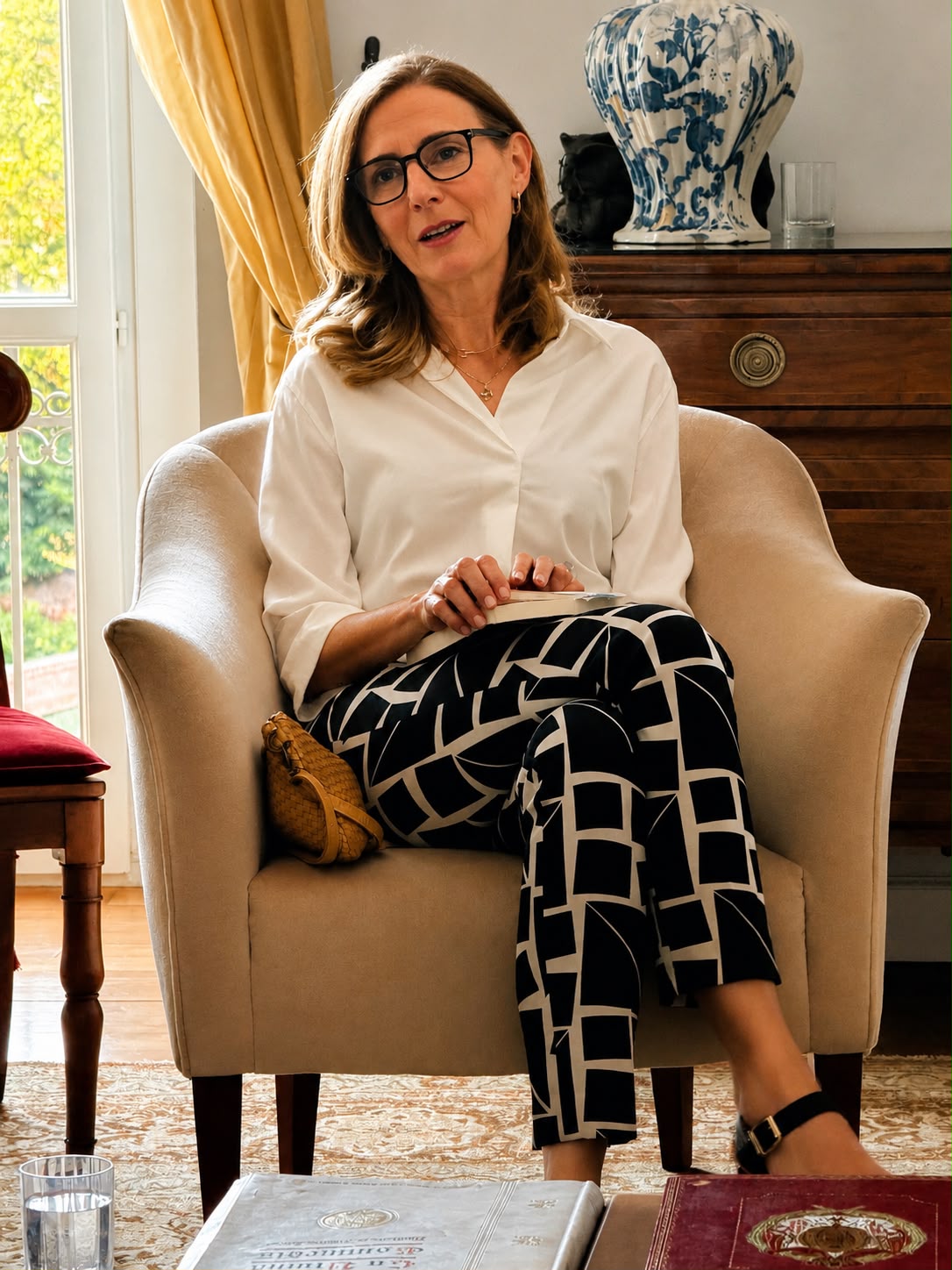
A meeting with author Ghila Piattelli took place on Wednesday, June 17, during the presentation of her latest novel, Ovunque sia casa (Where’s Home), published by Giuntina.
An Italian-Israeli writer and journalist for Il Foglio, Ghila Piattelli was born in Rome in 1973 and moved to Israel in 1992. She holds a degree in Philosophy from the Hebrew University of Jerusalem. She teaches and writes; Ovunque sia casa (Where’s Home) is her third novel, published by Giuntina.
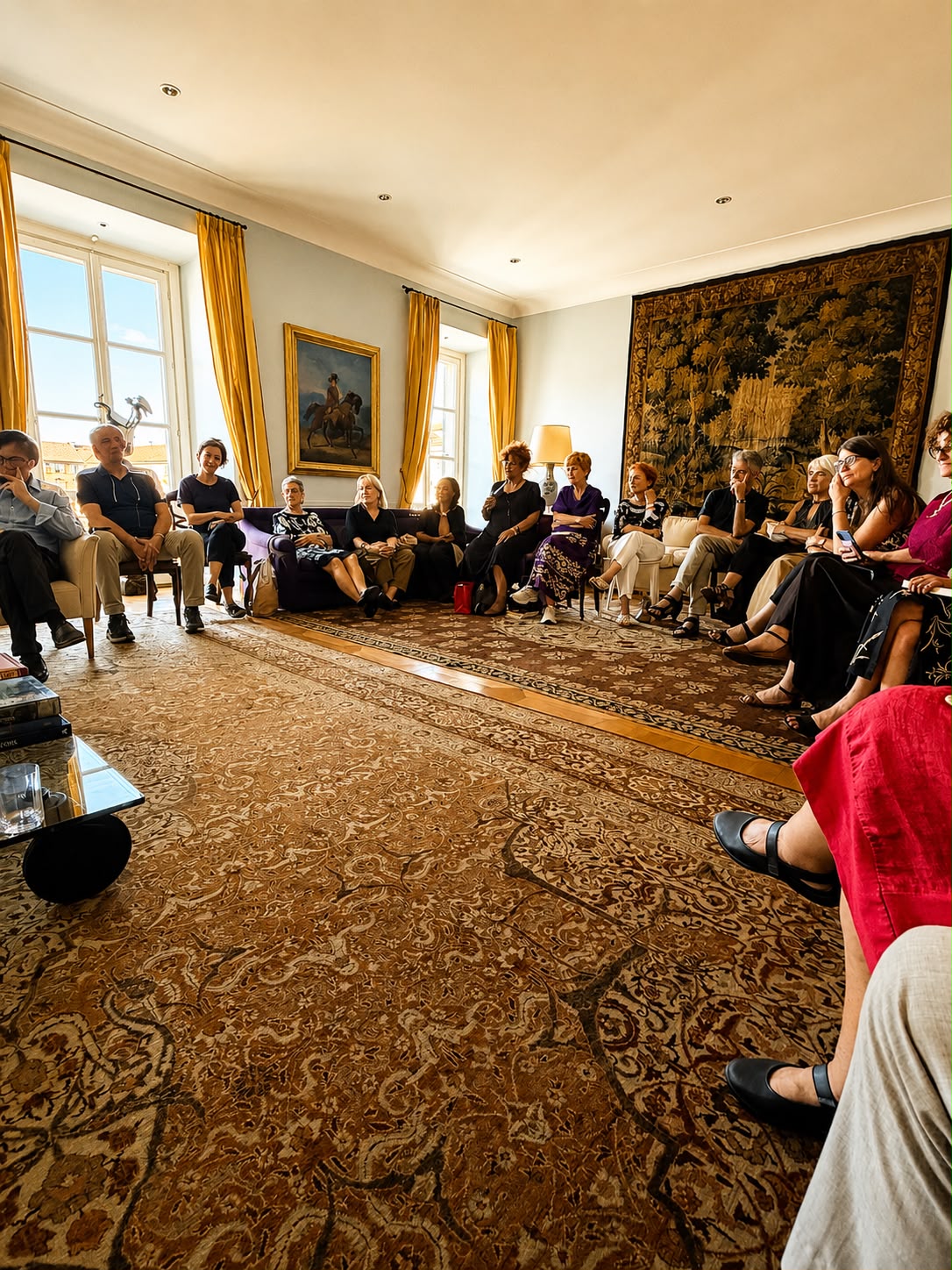
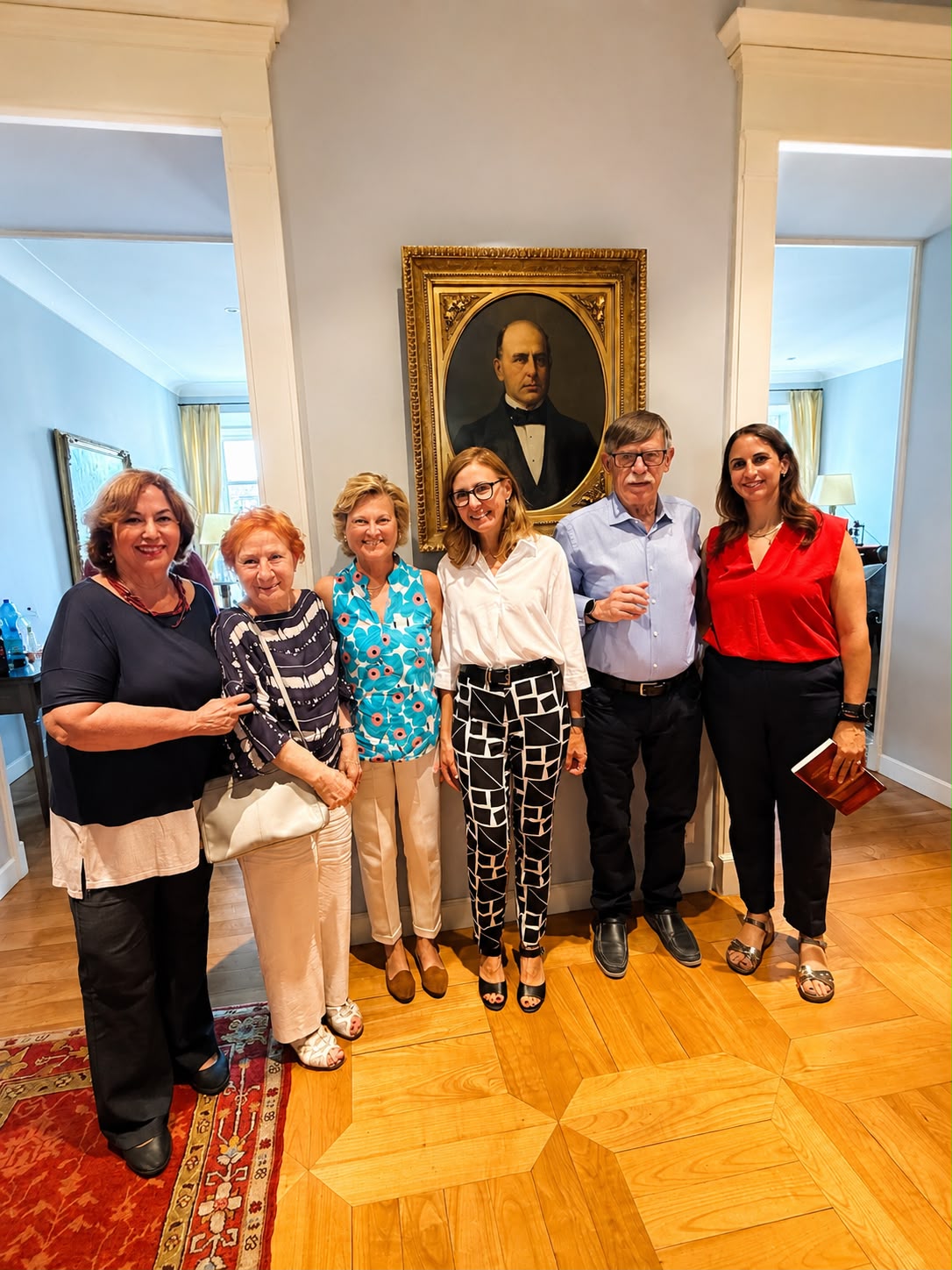
The event, organized and kindly hosted by Claudia De Benedetti, Vice President of the Maccabi World Union, was well attended and well attended. Among those in attendance were representatives of some of Turin’s most important associations, including ADEI WIZO Turin, the Italy-Israel Association of Turin, several members of our community, and members of other local organizations.
The conversation with the author sparked great interest and engagement. Ghila Piattelli was generously asked numerous questions, offering insights and details about the characters in this mystery and the complex creative journey that led to its creation. Without revealing the ending, the author shared reflections on the process of writing a work she herself describes as “layered,” in which the characters develop and mature over the years, allowing the reader to accompany them in their achievements, doubts, and challenges.
The narrative’s undisputed protagonists are the women: diverse figures, each with a unique and unrepeatable story, yet united by the desire to understand, resolve, and reconstruct something of their existence. This journey recalls the circularity of Jewish life, marked by the holidays and moments that define its rhythm and cultural identity.
The novel also offers previously unseen glimpses of Jerusalem, far removed from stereotypes and images associated exclusively with tourism or current politics, and instead conveying the authentic dimension of everyday life. Through the stories of its characters, the book also recounts the experience of aliyah, the return to Eretz-Israel of people who bring their family and cultural roots with them, while simultaneously rediscovering even more ancient ones.
The meeting concluded in an atmosphere of great participation and interest, confirming the value of literature as a tool for dialogue, reflection, and knowledge.
Stefania Piovesan